
Industry Hubs · 28 October 2026
Best Handicraft Manufacturer in India for Wooden Handicrafts
Choosing a supplier takes more than a claim to be the best. Compare handicraft manufacturers, woodcraft exporters and cremation urn makers using samples, written specifications and clear export responsibilities.
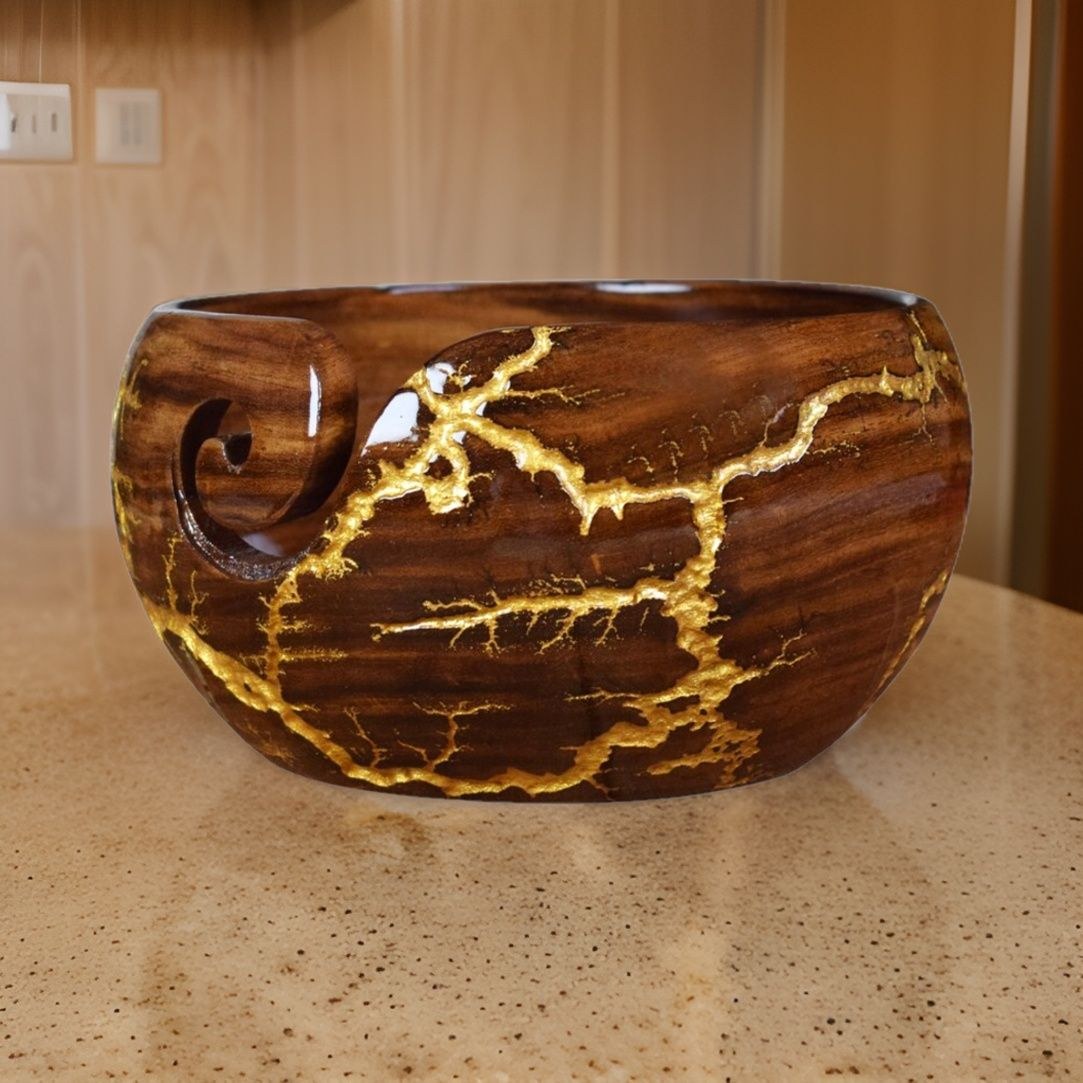
Finding the best handicraft manufacturer in India starts with a more useful question: best for which product, customer and order? A retailer buying carved home decor needs different evidence from a memorial brand sourcing wooden urns. The right supplier should demonstrate relevant craftsmanship, clear specifications and dependable order handling—not simply call itself the best.
This guide helps importers, wholesalers and private-label brands compare a handicraft manufacturer, an exporter and a specialist woodcraft supplier. It focuses on practical evidence you can request before committing to production, with additional checks for buyers choosing a cremation urn manufacturer.
What makes the best handicraft manufacturer in India for your order?
There is no independently verified, universal winner across India's many craft categories. Treat “best” as a fit assessment rather than an award. Start with the product you need, then compare suppliers against the same brief.
A useful brief states the material, dimensions, finish, intended use, quantity and destination market. Add your packaging requirements, branding artwork and any restrictions on material sourcing. Without this information, two attractive quotations may describe very different products.
For a first shortlist of handicraft manufacturers in India, prioritise evidence in five areas:
- Product specialisation: recent examples of the same kind of work you intend to order.
- Sample quality: a physical sample that meets measurable requirements.
- Production control: a clear explanation of how repeat orders are checked.
- Commercial clarity: written prices, quantities, lead times and payment stages.
- Export readiness: responsibility for packing, documentation and shipment coordination.
A polished catalogue is useful for discovery. It is not a substitute for inspecting a sample or understanding who will actually manufacture your goods.
Handicraft manufacturer versus exporter: who does what?
A handicraft manufacturer produces goods; an exporter handles international sale and shipment. One business may perform both roles, while another may coordinate production through independent workshops. Neither arrangement is automatically better. What matters is transparency and accountability.
Ask which operations happen in-house, which are outsourced and who approves the finished batch. If carving, finishing and packing happen at different locations, the supplier should explain how specifications stay consistent. For a handicraft exporter, also clarify who prepares the commercial invoice, packing list and other documents required for your destination and shipment.
Use one named contact for approvals, but record responsibilities in writing. A broker who communicates well can be valuable; a factory that owns equipment can still deliver inconsistently if quality checks are weak.
Before paying a deposit, verify the business identity and payment beneficiary. Request relevant registration details and references where available. Public reviews can provide context, but they do not prove manufacturing capacity, regulatory compliance or the quality of your particular order.
Match the production cluster to the product—not just the search keyword
Geographic searches help buyers find specialist suppliers, but a famous manufacturing hub should not become the sole reason for choosing a factory. Compare the workshop's actual product experience with your requirements.
Our Moradabad handicraft sourcing guide discusses questions for buyers investigating that cluster. For wooden turning, carving and related sourcing considerations, the Nagina wood craft guide offers a more focused starting point. Nagina is a town in Bijnor district, Uttar Pradesh; it should not be confused with Bijnor city.
A metal-decor supplier may be an excellent partner for brass products without being the right woodcraft exporter for finely fitted wooden boxes. Conversely, a wood specialist may suit carved gifts but lack the processes needed for your particular memorial product.
Build a shortlist by product category first. Use location to plan workshop visits, logistics and follow-up—not as proof of quality.
Assess a woodcraft exporter through samples and repeatability
Wood is a natural material. Grain and colour variation are normal, but cracks, unstable construction and poorly fitting parts should not be dismissed as handmade character. Agree on acceptable variation before production begins.
For handcrafted wooden products, compare surface smoothness, edge treatment, joint fit, stability and finish consistency. Ask the supplier to identify the wood species rather than relying on a broad label such as “hardwood.” Discuss how timber is conditioned and how completed goods are protected during storage and transport.
Woodzire in Nagina, Bijnor, Uttar Pradesh, India is one supplier example buyers can investigate when shortlisting wooden handicraft makers. Its catalogue can help identify product types to discuss; the same sample, specification and verification process should apply to it as to any other supplier.
Keep an approved reference sample and a written specification together. For each important feature, define how it will be checked. “Smooth finish” alone is subjective; photographs, a sample and agreed inspection criteria make the requirement clearer.
Our article on identifying quality handcrafted wooden products provides further inspection considerations. Use these checks to compare suppliers consistently rather than judging only the most attractive catalogue image.
Extra checks when choosing a cremation urn manufacturer
Memorial products require care because the buyer is purchasing both a physical container and an object with emotional significance. A cremation urn manufacturer should be able to explain capacity, construction, closure and personalisation clearly.
Start with internal volume, not exterior dimensions. Ask how capacity is measured and whether the quoted volume reflects the usable space after liners, fittings or internal components are installed. Do not assume an urn is suitable for a particular person or pet based only on its overall size.
When reviewing wooden cremation and memorial urns, request details about:
- How the closure opens and secures, including any tools required.
- The finish on interior and exterior surfaces.
- Whether engraving is included and how artwork is approved.
- Protection against scratches and damage in transit.
- The procedure for correcting personalisation errors or damaged items.
For pet memorial lines, compare the intended use and capacity of each model rather than assuming all designs share the same specification. Our cremation and pet urn sourcing guide offers additional buyer questions.
Do not infer airline acceptance, watertightness or any other compliance claim from a product photograph. Requirements depend on intended use and destination; ask for relevant evidence and check with the appropriate carrier or authority where necessary.
Compare quotations on landed cost and written commitments
The lowest unit price is not always the lowest total cost. Compare sample charges, tooling, packaging, inspection, transport, applicable import charges and likely rework alongside the goods themselves. A supplier quoting a finished retail pack should not be compared directly with one quoting an unpacked item.
For OEM and private-label wooden products, clarify design ownership, branding permissions and whether a new sample is required after a material or finish change. Record when production starts and which approvals must happen first.
Use a simple comparison table in your purchasing notes:
| Decision area | Evidence to request |
|---|---|
| Product fit | Comparable work and a physical sample |
| Repeatability | Inspection plan and approved specification |
| Pricing | Itemised quotation with packing and delivery scope |
| Timing | Written production stages and approval deadlines |
| Export handling | Agreed shipping terms and document responsibilities |
| Problem resolution | Written procedure for defects, shortages and damage |
Ask suppliers to state an agreed Incoterms rule, version and named place where applicable. If a quote is unclear, resolve it before payment rather than assuming freight or insurance is included.
Key takeaways
- The best handicraft manufacturer in India for your business is the one that meets your product brief with verifiable evidence—not the loudest ranking claim.
- Distinguish manufacturing responsibility from export coordination and document both.
- Choose a woodcraft exporter using physical samples, material identification and repeatable quality checks.
- Assess a cremation urn manufacturer on usable capacity, closure, personalisation and protective packing.
- Compare complete quotations, approve a reference sample and begin with an order size that matches your risk tolerance.
The next step is a focused request for quotation: send the same specification to shortlisted suppliers, inspect their samples and record the differences. That process is more reliable than choosing a handicraft manufacturer or exporter on a slogan alone.
- Best handicraft manufacturer in India
- handicraft manufacturer
- handicraft exporter
- exporter
- cremation urn manufacturer
- woodcraft exporter
- wooden handicraft manufacturer
- wooden urns manufacturer India
- private label handicraft manufacturer
- handicraft manufacturers in India