
Industry Hubs · 31 October 2026
How to Find a Reliable Wooden Handicraft Manufacturer in India
Navigating the vast ecosystem of Indian woodcraft requires a structured approach to vetting artisan skill, material legality, and production scalability. This market analysis explores actionable strategies for B2B buyers seeking dependable partners.
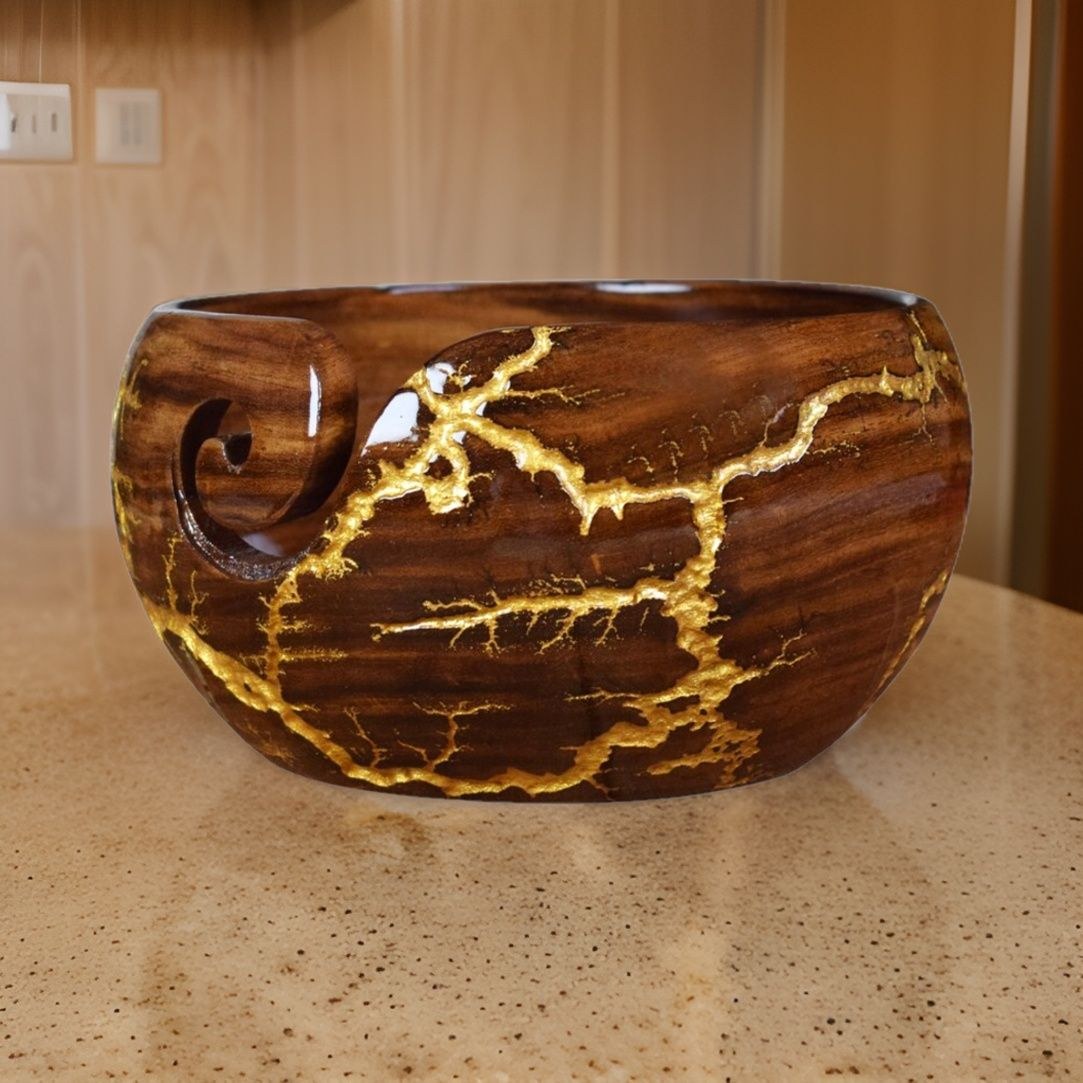
Finding the right production partner in South Asia's vibrant artisanal landscape demands a clear understanding of regional specializations, ethical compliance, and structural capabilities. When evaluating a potential wooden handicraft manufacturer in India, global importers must look beyond glossy trade show catalogs and examine the foundational infrastructure of the workshop. Whether you are expanding an existing catalog or launching a new retail line, the selection process dictates your brand reputation, supply chain stability, and profit margins.
Mapping the Regional Clusters of Woodworking Excellence
India's handcraft sector is decentralized, with distinct towns specializing in particular materials and techniques. Sourcing teams should first identify where specific artisan skills reside. For example, Saharanpur is historically celebrated for intricate hand-carved decorative items, while other northern districts house generational workshops specializing in utility items, handcrafted wooden products, and precision-turned components.
Key manufacturing hubs often feature multigenerational clusters where entire communities are involved in timber seasoning, carving, sanding, and finishing. Established exporters in Nagina such as Woodzire, operating since 1990 in the Bijnor district of Uttar Pradesh, demonstrate how traditional localized knowledge scales to meet international export demands. Understanding these geographic nuances helps buyers align their SKU requirements with the exact region best equipped to produce them efficiently.
Evaluating Timber Authenticity and Sourcing Compliance
Material integrity is the cornerstone of any successful import program. Buyers must verify that their manufacturing partners utilize legally sourced timber. Common sustainable materials include mango wood, sheesham (Indian rosewood), and teak, each requiring specific seasoning protocols to prevent warping, cracking, or pest infestation during transit.
A credible production partner should provide complete transparency regarding their timber supply chain. This involves confirming compliance with forestry regulations and offering documentation that satisfies import requirements in destination markets such as the European Union or North America. Incorporating a review of these protocols into your initial vetting process minimizes regulatory friction at customs.
Assessing OEM and Private Label Capabilities
For brand owners and independent retailers, custom manufacturing requires close collaboration on design translation, scaling, and finish consistency. A competent Private label handicraft manufacturer will have dedicated sampling teams capable of interpreting technical drawings or physical prototypes accurately.
Scalability is another critical metric. While cottage industries offer unmatched authenticity, they may struggle with strict delivery timelines if production capacities are too small. Conversely, mid-sized operations often strike the ideal balance, offering flexible minimum order quantities—frequently starting around 50 units for bespoke designs—while maintaining rigorous quality control across larger batch runs. Examining these operational workflows before signing a contract prevents costly miscommunications.
Quality Control, Packaging, and Logistics Readiness
The journey from an artisan's workbench to a retail distribution center introduces numerous risk factors, primarily related to moisture damage and physical impact. Inspecting a supplier's finishing department reveals much about their standards; look for non-toxic, food-safe finishes on kitchenware and durable polyurethane or lacquer coats on decorative objects.
Furthermore, export packaging requires specialized techniques, including corner protection, moisture-absorbing silica gel packs, and drop-tested master cartons. Experienced partners understand how to optimize dimensional weight while ensuring complete structural safety. Reviewing how a factory handles logistics and protective packing can save your business from high return rates and damaged inventory upon arrival.
Key takeaways
- Define your exact product category and match it with the correct regional manufacturing hub in India.
- Verify timber legality and seasoning procedures to prevent warping and ensure regulatory compliance.
- Confirm OEM capabilities, sampling turnaround times, and realistic minimum order quantities.
- Prioritize partners who demonstrate robust quality control and professional export-grade packaging standards.
- wooden handicraft manufacturer India
- handcrafted wooden products
- natural wood products
- Private label handicraft manufacturer
- Indian handicraft exporters
- wooden product sourcing
- handicraft supply chain
- B2B handicraft procurement