
Craft Supplies · 3 November 2026
Interchangeable Circular Needles: A B2B Retailer Guide
Discover what retailers and importers need to know when sourcing interchangeable circular needles for modern crafting markets. This comprehensive FAQ covers material selection, cable connectivity, and inventory planning.
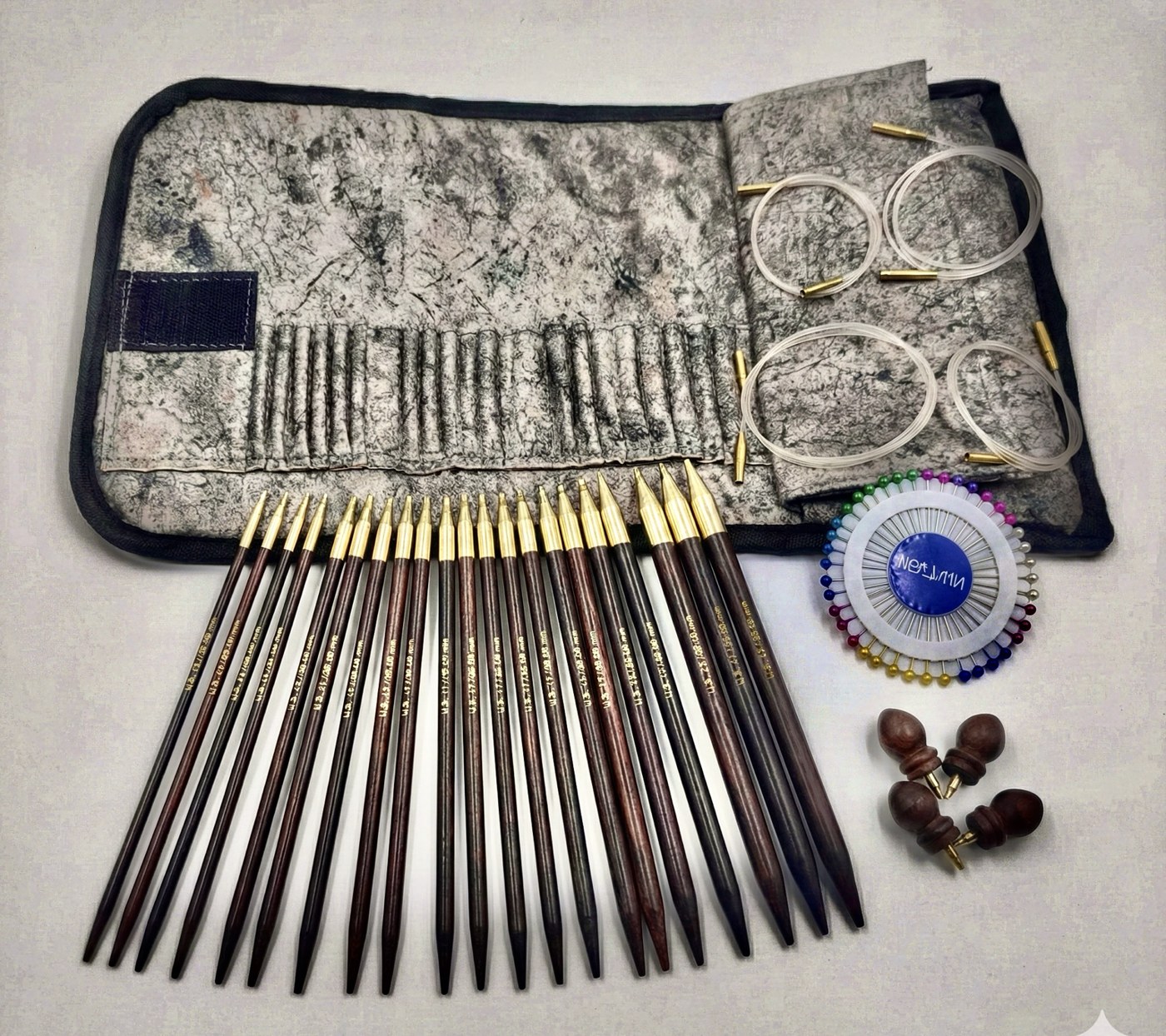
The global knitting accessories market continues to evolve as crafters demand more versatility, ergonomic comfort, and sustainable materials from their toolkits. Among the most sought-after products in specialty yarn shops and online craft stores today are interchangeable circular needles. For B2B buyers, boutique owners, and mass retail distributors, understanding the nuances of these modular crafting tools is essential for building a profitable, high-turnover inventory. Retailers are moving away from single-size fixed needles, opting instead for complete sets that offer exceptional value to end consumers while maximizing shelf space efficiency.
Why Are Interchangeable Circular Needles Reshaping Craft Retail?
In modern yarn retail, versatility drives consumer spending. Crafters frequently switch between projects ranging from delicate lace shawls to heavy, chunky sweaters, all requiring different needle sizes and cable lengths. Interchangeable circular needles solve this problem by allowing users to mix and match tips and cords seamlessly. From a merchandising perspective, carrying modular kits reduces the need to stock hundreds of individual fixed circular needles. Instead, stores can display compact, high-ticket boxed sets alongside complementary items like yarn winders and notions.
Furthermore, the consumer shift toward sustainable and tactile crafting tools has placed organic materials at the forefront. While aluminum and carbon fiber remain popular, wooden variants crafted from dense hardwoods have gained massive traction due to their warmth, grip, and aesthetic appeal. Sourcing these items requires partnering with established handicraft manufacturers in India who specialize in precision turning and finishing, ensuring that cable joins remain snag-free and reliable.
What Materials Define Premium Interchangeable Needle Sets?
The performance of interchangeable circular needles heavily depends on the raw material used for the tips. Retailers must cater to diverse preferences among knitters, who often hold strong opinions about needle drag and weight:
- Hardwoods: Woods like sheesham, mango, and laminated birch provide a warm feel in the hands and offer just enough friction to keep slippery yarns, such as silk and alpaca, from sliding off accidentally. Artisanal hubs such as Nagina in the Bijnor district of Uttar Pradesh are globally renowned for producing exquisite wooden handicrafts India markets deeply rely on for traditional woodworking excellence.
- Metals: Aluminum, brass, and nickel-plated options offer a sleek surface that allows yarn to glide at high speeds. These are favored by knitters who work quickly or use sticky, rustic wools.
- Composite and Resin: Acrylic and engineered resins offer lightweight alternatives, often featuring vibrant, multi-colored swirls that attract impulse buyers in retail displays.
When evaluating suppliers, buyers should look for manufacturers capable of offering OEM wooden products that meet strict quality control standards, ensuring consistent threading and smooth finishes across every production batch.
How Do Joint Mechanisms and Cords Impact Product Quality?
The primary pain point for end-users of interchangeable circular needles is cable detachment or yarn catching at the join. When sourcing these products wholesale, retail buyers must scrutinize the engineering of the connection mechanism. The two most common systems are threaded screws and click-in locking systems.
Threaded joins require a small tightening key to secure the tip to the cable, ensuring it does not unscrew during knitting. Click-in systems rely on a spring-loaded ball bearing mechanism for rapid assembly. Regardless of the system chosen, the transition between the metal or wooden tip and the swivel cable must be completely flush. Inferior manufacturing leads to snagged yarn, frayed fibers, and high return rates. Forward-thinking brands often collaborate with seasoned export houses, including traditional exporters in Nagina such as Woodzire, to secure reliable hardware integration alongside master craftsmanship.
What Should Importers Consider Regarding Packaging and MOQ?
Logistics and presentation play a critical role in the success of craft supply imports. Interchangeable circular needle sets are typically packaged in fabric folios, faux-leather cases, or hinged wooden presentation boxes. For gift-oriented retail segments, premium packaging significantly increases perceived value and drives seasonal sales.
When negotiating with factories, buyers must examine minimum order quantities (MOQs). Many bespoke producers offer flexible low-MOQ structures starting around fifty units for private-label collections, allowing boutique brands to test new product lines without overextending capital. Additionally, robust export packaging is non-negotiable to prevent moisture damage and transit warping, especially when importing natural wood products across international shipping lanes.
How Can Retailers Effectively Market Interchangeable Needle Kits?
Selling high-end knitting tools requires more than placing them on a shelf; it demands educational merchandising. Retailers should train staff to explain the benefits of interchangeable systems over fixed needles, emphasizing long-term cost savings and project adaptability for the consumer. Creating display models that showcase various cable lengths and tip combinations helps demystify the product for beginner and intermediate knitters alike.
Cross-merchandising is another powerful strategy. Interchangeable sets pair exceptionally well with complementary categories such as wooden urns and hand-carved decor, or specialized storage solutions like cremation and pet urns for stores diversifying their artisanal offerings. Highlighting the ethical sourcing of the materials and the traditional craftsmanship behind the products also resonates strongly with today's conscious consumers.
Key Takeaways
- Interchangeable circular needles offer high retail value and optimize inventory space by replacing dozens of individual fixed needles.
- Material choice ranges from warm, grippy hardwoods to fast-gliding metals, catering to diverse knitter preferences.
- Sourcing from heritage regions like Nagina ensures access to expert turning, while reliable mechanical joins prevent yarn snagging.
- Private-label buyers should look for flexible MOQs and durable presentation packaging to enhance retail appeal.
- Effective staff training and cross-merchandising drive higher sell-through rates in specialty craft shops.
- interchangeable circular needles
- OEM wooden products
- wooden handicrafts India
- Best handicraft manufacturer in Nagina
- knitting needle wholesale
- craft retail sourcing
- wooden yarn tools
- private label knitting supplies