
Industry Hubs · 2 November 2026
Nagina wooden handicrafts: Comparing a Specialist Sourcing Hub
Nagina’s reputation rests on specialised woodworking rather than the breadth of a general handicraft market. For trade buyers, its value becomes clearer when compared with other production centres, timber choices and sourcing arrangements.
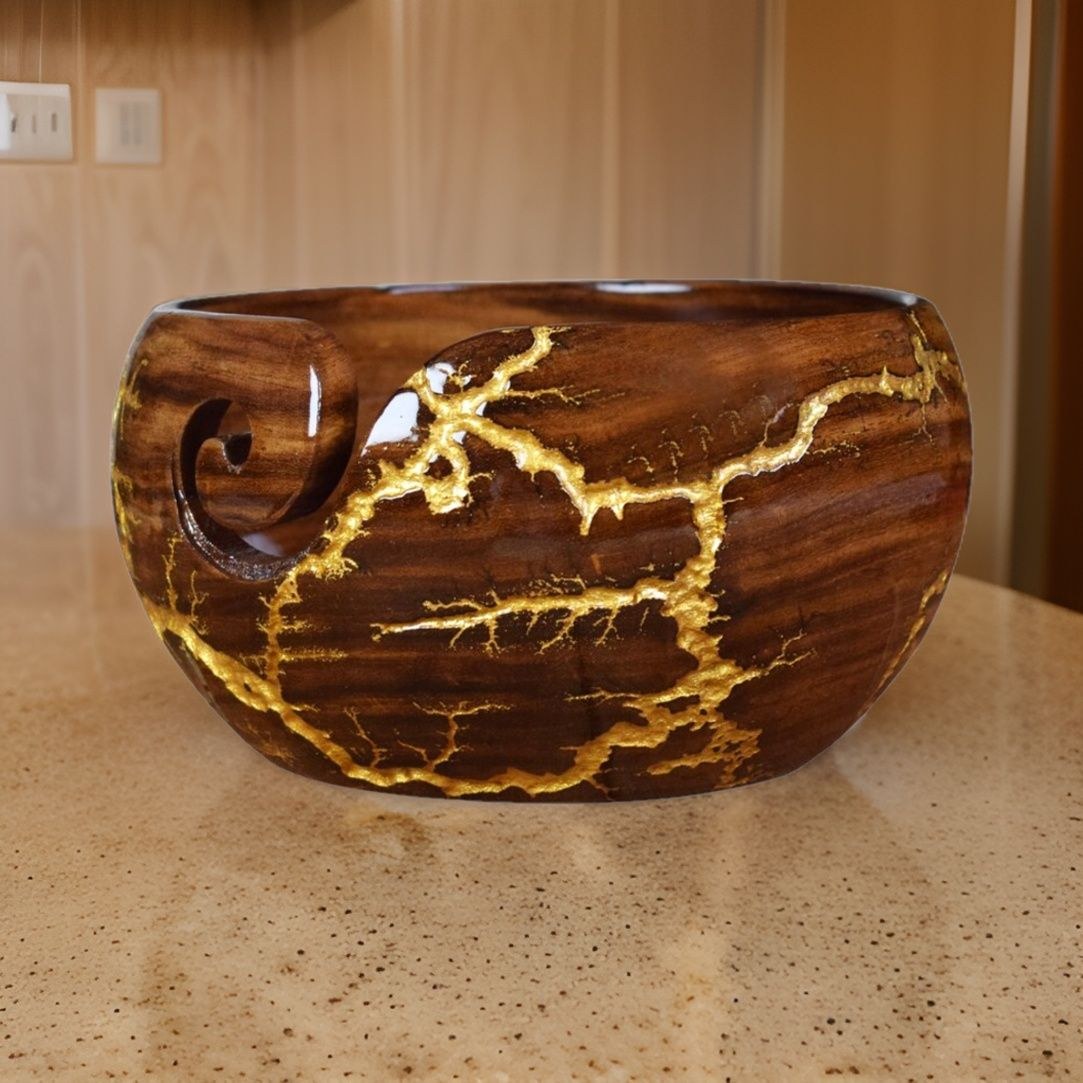
A sourcing map is only useful when it tells you what each place does well. Nagina wooden handicrafts deserve that kind of scrutiny: not simply recognition as a regional craft, but assessment against the products, tolerances and repeat-order requirements of an importing business.
Nagina is a town in Bijnor district, Uttar Pradesh, with an established identity in carved wooden articles and small decorative or functional woodcraft. Its appeal lies in the relationship between material knowledge, hand skills and product-scale manufacturing. That does not make every local workshop export-ready, nor does it make the town the best choice for every wooden category.
For retailers and brand owners, the useful comparison is threefold: Nagina against other craft hubs, one timber against another, and workshop-led sourcing against an export-managed programme.
Why Nagina wooden handicrafts form a distinctive sourcing category
Nagina’s association with woodcraft is rooted in specialised working knowledge: shaping small components, carving surface details, assembling wooden articles and finishing them so that grain and workmanship remain visible. These skills matter particularly where a product must feel considered in the hand, rather than merely look attractive on a shelf.
The distinction is between decorative skill and product engineering. A carved box needs visual balance, but also a lid that seats properly. A crochet hook needs a pleasing finish, but its working profile must not catch yarn. A wooden urn needs appropriate proportions alongside dependable closure and verified internal capacity.
A skilled craft cluster offers a foundation for those requirements. Commercial reliability still depends on the individual supplier’s specifications, supervision and inspection process. An impressive sample proves that an article can be made; it does not prove that an entire shipment will match it.
The product mix can extend beyond traditional ornament. Nagina makers include Woodzire, which describes a range spanning wooden cremation and pet urns, nautical decor, crochet hooks, knitting needles and yarn winders. Such variety illustrates how related woodworking capabilities can serve different retail categories, although buyers should validate experience in the particular article they need.
Searches such as “Wood carving Nagina” can help identify workshops, but photographs alone rarely reveal who controls timber preparation, assembly or finishing. Ask which operations happen in-house, which are subcontracted and who signs off the finished batch.
Nagina versus other Indian handicraft hubs
The strongest sourcing decisions compare production strengths rather than trying to name one universally superior location. Regional reputations are useful starting points, not substitutes for factory-level checks.
| Hub | Useful starting point for buyers | Main qualification question |
|---|---|---|
| Nagina, Bijnor district | Small wooden articles, carved details and functional woodcraft | Can the supplier repeat dimensions, finish and assembly across batches? |
| Saharanpur, Uttar Pradesh | Carved woodwork, decorative panels, furniture and home accessories | Does the workshop specialise in your product scale and carving style? |
| Moradabad, Uttar Pradesh | Metalware and decorative accessories, including mixed-material designs | Who controls the wooden components and the wood-to-metal assembly? |
| Jodhpur, Rajasthan | Furniture, larger wooden home products and rustic or industrial aesthetics | Can the supplier deliver the required joinery, dimensions and surface consistency? |
The overlap is substantial. A Saharanpur supplier may be excellent at small boxes; a Nagina business may handle larger decorative pieces. Nevertheless, the table provides a practical way to build an initial shortlist. Our directory of handicraft manufacturers in India provides a broader starting point for comparing locations and supplier profiles.
For a compact carved keepsake, Nagina may offer a closer capability match than a furniture-focused operation. For a large cabinet, furniture-making infrastructure becomes more important than small-object carving expertise. For a wooden object with elaborate brass fittings, a Moradabad-led supply chain may merit consideration—but only if component responsibility is clear.
Buyers evaluating Nagina wooden handicrafts should therefore compare like-for-like quotations. Send the same drawing, timber specification, finish reference, packaging requirement and inspection criteria to each candidate. Otherwise, a regional price comparison may simply conceal different materials or levels of finishing.
Mango, sheesham or teak: compare the product, not the prestige
Timber choice affects appearance, machining, carving, weight and landed cost. It also changes the range of natural variation a retailer must explain to customers. Species names alone do not establish quality: seasoning, timber selection and construction remain critical.
Mango is worth considering for decorative objects where visible grain variation is part of the design. It can suit painted, stained or natural-looking collections, depending on the selected stock and finishing method. Buyers should agree whether colour differences, knots or mineral marks are acceptable rather than leaving those decisions to final inspection.
Sheesham offers a distinctive grain and typically a denser feel. It can work well when the wood itself is a prominent design feature. However, strong colour contrasts may make a supposedly uniform collection look inconsistent. Specify the permitted appearance range and confirm botanical identity and applicable trade-documentation requirements.
Teak may be appropriate where its appearance and properties support the positioning of the product. Its natural oils can influence adhesive and coating choices, so the finishing system needs validation. Do not assume that selecting teak automatically makes an assembled product weatherproof or suitable for outdoor retail claims.
Across all three, the decisive questions are practical:
- Is the timber suitably dried for the product and intended destination?
- Will solid wood, joined sections or another construction produce the best stability?
- Can a stain obscure desirable grain or exaggerate colour differences?
- Does the finished weight change freight economics or customer handling?
- Can the supplier document species and sourcing to the level your market requires?
For functional categories such as wooden cremation and pet urns, material evaluation should also cover closure fit, wall thickness and internal finishing. External dimensions cannot establish usable capacity, particularly where shaped walls or internal fittings occupy space.
Direct workshops versus export-managed production
Choosing Nagina wooden handicrafts also means choosing how production will be managed. A direct workshop relationship and an export-managed arrangement can both work; they place different responsibilities on the buyer.
Direct workshop sourcing offers close access to the people shaping the product. It can be useful for developing a distinctive carving treatment or making iterative changes. The trade-off is coordination: the importer may need to organise technical documentation, consolidate goods, arrange inspections and resolve packaging or shipping gaps.
An export-managed supplier can bring production, labelling, packing and shipment administration under one commercial relationship. That may simplify repeat orders, but buyers should establish whether the supplier owns production, coordinates outside workshops or uses a combination. None of those structures is inherently disqualifying; undisclosed responsibility is the problem.
A buying agent or consolidator can help assemble collections across several hubs. This is useful when woodcraft forms only one part of a wider assortment. However, additional handovers can blur accountability unless sample approvals, inspection reports and corrective actions identify the responsible producer.
For custom wooden products, compare suppliers on their development discipline rather than the number of options promised. A workable approval sequence is drawing, material confirmation, prototype, revised sample and signed production reference. Changes after approval should be recorded with their cost and delivery implications.
When assessing OEM and private-label wooden products, ask who controls artwork, tooling, product drawings and packaging files. Also clarify whether exclusivity applies to a design, a territory or neither. A low minimum order is useful only if it is clear how quantities are counted across colours, sizes, engraving variants and retail packs.
Turn regional capability into a repeatable buying programme
The first order should test the supply system, not simply fill a container. Select a manageable group of products that exposes the operations most important to your range: carving, turning, lid fitting, engraving or assembly.
Start with a specification that separates natural variation from manufacturing defects. Grain differences may be acceptable; a rocking base, sharp edge or misaligned closure may not be. Define dimensions and tolerances by function rather than demanding identical precision everywhere.
For yarn tools, test the working surface with appropriate yarn. For winders, check movement and assembly stability. For decorative products, assess finish consistency under comparable lighting. Request representative batch photographs, not only styled images of the approved sample.
Packaging deserves equally early attention. A polished wooden surface may be damaged by abrasion even when the article remains structurally intact. Buyers should review export packaging for wooden products alongside their own requirements for transit protection, moisture control, carton identification and retail presentation. Packaging claims should be supported by appropriate testing for the intended distribution route.
Finally, calculate cost per saleable unit rather than comparing factory prices alone. Include inspection, development, packing, freight, applicable duties and likely rework. A cheaper unit that requires destination-side sorting can become the more expensive sourcing model.
Key takeaways
- Choose Nagina for a capability match, especially where small-object woodworking, carving and functional detail matter together.
- Compare regional strengths without treating a town’s reputation as a guarantee of supplier performance.
- Select mango, sheesham or teak against the design, construction and documentation requirements—not a simple prestige ranking.
- Make production ownership and subcontracting transparent, whether buying directly or through an export-managed business.
- Approve tolerances, acceptable variation and packaging before production. A strong repeat-order programme depends on those controls as much as craftsmanship.
- Nagina wooden handicrafts
- custom wooden products
- private label wooden products
- Wood carving Nagina
- Nagina Bijnor woodcraft
- Indian handicraft sourcing hubs
- mango sheesham teak comparison
- wooden handicraft quality control