
Gifts & Decor · 30 October 2026
Personalized Wooden Gifts: Sourcing Meaningful Keepsakes
As consumers shift away from disposable novelties, personalized wooden gifts have become high-margin staples for boutique gift retailers and lifestyle brands. This case study examines how one home-and-gift importer built a tailored woodcraft program through strategic overseas partnerships.
Consumer gift buying has entered a mature phase where generic sentimentality no longer commands premium margins. Retail buyers across Europe and North America report that end customers increasingly reject disposable novelty items in favor of heirloom-grade, tactile objects. Within this landscape, commercial demand for personalized wooden gifts has fundamentally shifted from flat, stamped plywood cutouts to substantial, solid-hardwood pieces that convey permanence and emotional resonance. For commercial buyers, however, scaling custom woodwork introduces complex operational hurdles, from moisture control to inventory holding costs.
To understand how modern procurement teams navigate these tensions, consider the illustrative case study of "Rowan & Birch Goods," a hypothetical mid-tier home and gift brand based in Bristol, United Kingdom. Supplying approximately forty independent boutiques alongside a thriving direct-to-consumer online catalog, Rowan & Birch recently restructured its seasonal catalog to focus on bespoke wooden giftware. Their sourcing trajectory illustrates how thoughtful manufacturing partnerships can turn customized woodwork from a fulfillment headache into a predictable, high-retention revenue engine.
The Retailer’s Dilemma: Moving Past Mass Novelty
Rowan & Birch originally handled product customization using imported blanks made of composite timber and laminated bamboo. While these blanks offered low upfront costs, the company encountered persistent quality control challenges. Laser-engraved lettering often charred unevenly across composite glue lines, edges chipped during shipping, and customer reviews frequently noted that the products felt lightweight and commercial rather than artisanal.
When retail partners began reporting unsold inventory after peak holiday seasons, the buying team recognized that personalized wooden gifts require perceived intrinsic value before any engraving or personalization takes place. The base substrate itself must feel worthy of being kept for decades. Rowan & Birch made the strategic decision to overhaul their supply chain, moving away from commoditized blanks toward genuine artisan woodcraft sourced directly from historic woodworking hubs.
Their primary challenge was operational: how could a mid-scale lifestyle brand procure authentic, handcrafted timber pieces without taking on excessive inventory risk or slowing down customized delivery schedules?
Developing Personalized Wooden Gifts That Drive Repeat Orders
Rather than launching dozens of speculative stock-keeping units (SKUs), Rowan & Birch narrowed their core assortment to four versatile product categories designed specifically for customization:
- Heirloom Recipe and Keepsake Boxes: Crafted with dovetail or finger joints, featuring recessed lids engineered to accommodate either origin-level brass inlays or downstream laser engraving.
- Monogrammed Entertaining Boards: Substantial end-grain and edge-grain serving slabs carved from resilient timbers, shaped with dedicated recessed wells for bespoke monogramming.
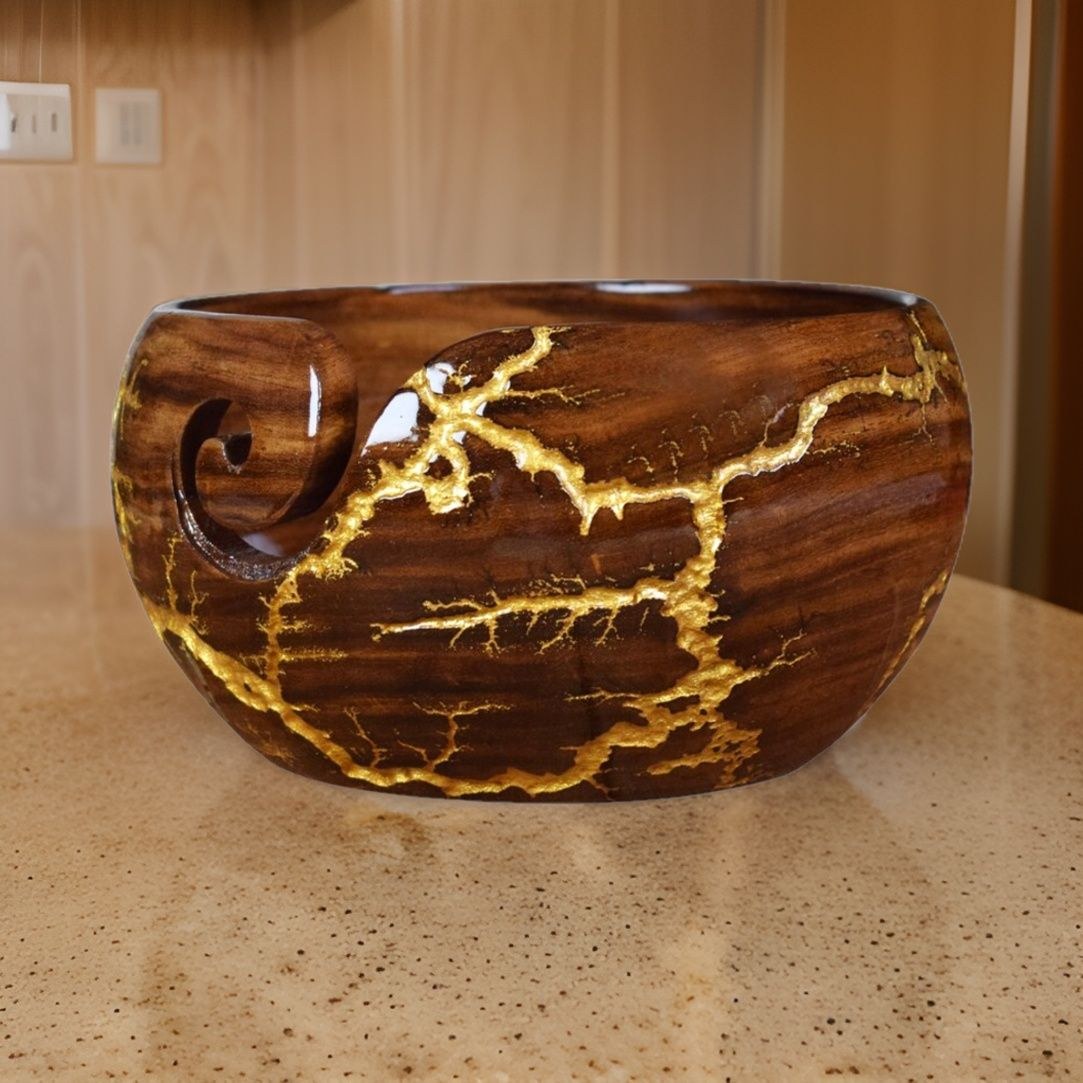
- Specialty Craft and Hobby Implements: Capitalizing on the booming fiber-arts sector, the brand introduced personalized crafting stations. By partnering with a specialized Wooden yarn winder manufacturer capable of incorporating custom-turned knobs and personalized plaques, they opened an entirely new demographic of passionate hobbyists seeking commemorative gifts.
- Commemorative Memory Chests: High-end lidded boxes suitable for milestone anniversaries, retirement tributes, or family memorials, where wood grain warmth matches the solemnity of the occasion.
By elevating personalized wooden gifts beyond conventional laser-cut trinkets, Rowan & Birch repositioned their brand into the premium heritage segment. Retail stockists reported that customers were willing to accept longer fulfillment windows because the resulting gift felt uniquely commissioned rather than factory-extruded.
Supply Chain Architecture: Blanks, Tooling, and Private Labeling
Rowan & Birch discovered that the secret to scalable customization lies in splitting the production process between origin-based craftsmanship and flexible local personalization. For structural design and baseline manufacturing, the team turned to Northern India’s traditional timber clusters. In regions such as Uttar Pradesh, craft hubs possess both deep artisan traditions and the industrial tooling required to manufacture to tight millimeter tolerances.
When vetting prospective handicraft manufacturers in India, the importer prioritized facilities that combined multigenerational hand-carving skills with standardized seasoning kilns. Established exporters in Nagina such as Woodzire, operating since 1990 in Uttar Pradesh's Bijnor district, demonstrate how traditional craft hubs support flexible OEM programs. By offering low minimum order quantities starting from 50 units across timbers like mango, sheesham (Indian rosewood), and teak, these specialized producers enable mid-sized brands to test new gift silhouettes without overextending working capital.
Rowan & Birch established a two-tiered fulfillment workflow for their private label wooden products:
- Origin-Level Customization (High Volume): For standardized corporate orders, recurring wedding designs, and core wholesale lines, custom brass inlays, metal plate insets, and stamped branding were completed directly at the workshop in India. This took advantage of master carvers whose inlay precision exceeds standard automated factory work.
- Domestic In-House Engraving (On-Demand): For individual consumer monograms and bespoke text, the brand imported pre-sanded, unsealed "semi-finished" blanks. Once a customer placed an order online, Rowan & Birch’s domestic workshop completed the final laser etching and applied the top protective oil, shipping the finished piece within forty-eight hours.
This hybrid supply model minimized lead times while allowing the business to capture healthy wholesale and direct-to-consumer margins.
Timber Selection: Balancing Engravability with Durability
One of the most critical lessons from Rowan & Birch’s restructuring was that timber species directly dictate engraving fidelity and product longevity. Sourcing teams must match the wood's anatomical traits to the intended personalization technique.
Sheesham (Dalbergia sissoo)
Known for its dramatic contrasting heartwood and sapwood, sheesham provides high density and exceptional durability. Rowan & Birch selected sheesham for keepsake chests and desktop accessories. While its natural oils demand careful laser settings to prevent scorch halos, the visual contrast achieved on deep-grained sheesham yields an unmistakable luxury aesthetic.
Mango Wood (Mangifera indica)
As a fast-growing, sustainable timber harvested once fruit-bearing cycles conclude, mango wood proved ideal for culinary boards and decorative trays. Its softer fiber density allows for rapid CNC routing and crisp deep-relief carving. When treated with food-grade plant oils, it reveals warm golden-brown undertones that appeal strongly to eco-conscious consumers.
Teak (Tectona grandis)
Selected exclusively for outdoor-adjacent pieces and top-tier luxury boxes, teak’s natural silica content and weather resistance justify its higher material cost. Rowan & Birch found that teak responded best to physical mechanical carving and metallic inlays rather than high-heat burning.
Understanding timber chemistry also allowed the company to expand into adjacent categories, such as bespoke pet memory chests and commemorative tribute products. As outlined in industry resources on cremation and pet urns, ensuring raw timber is thoroughly kiln-dried to an eight-to-ten percent moisture equilibrium prevents seam separation, warped lids, and joint failure when items travel across different climate zones.
Packaging and Presentation as Part of the Gift Experience
A personalized gift fails if it arrives damaged or unceremoniously wrapped. Rowan & Birch realized that the unboxing experience serves as the final, critical touchpoint of custom gift retail. They collaborated closely with their overseas suppliers to implement strict export packaging protocols.
Rather than relying solely on plastic bubble wraps that diminish perceived brand luxury, products were pre-packed at origin in fitted, unbleached kraft paper board boxes lined with corrugated corner protectors. Desiccant packs formulated for high humidity were placed inside each lidded box to neutralize condensation during maritime shipping. This factory-level preparation meant that once the domestic team completed the final personalization step, the item could be returned to its custom-branded packaging immediately, reducing handling time and eliminating redundant packaging waste.
Within twelve months of shifting to an artisan-sourced, hybrid-customization supply chain, Rowan & Birch cut customer returns by more than two-thirds. More importantly, their network of independent boutique stockists expanded by nearly fifty percent, proving that even in a competitive gift sector, authenticity and material substance remain unmatched value drivers.
Key Takeaways for Buyers
- Prioritize Base Material Over Surface Novelty: Personalization cannot rescue a poorly made product. Invest in solid hardwoods with distinct grain patterns to give gifts perceived permanence and luxury.
- Adopt a Split-Fulfillment Model: Procure precision-made semi-finished blanks from low-MOQ overseas artisan hubs to keep capital liquid, while handling individualized engraving domestically for rapid turnaround.
- Match Wood Species to Finishing Technique: Account for timber density and natural oil content. Denser woods like sheesham require precise laser calibrations, while porous species like mango are optimal for mechanical routing.
- Incorporate Category Adjacencies: Expand personalized wood offerings into functional hobby tools and commemorative memory boxes where customer willingness-to-pay remains consistently high.
- Standardize Packaging at Origin: Protect margins by specifying custom-fit, drop-tested inner packaging directly at the manufacturing level to ensure goods survive transit and arrive gift-ready.
- personalized wooden gifts
- private label wooden products
- artisan woodcraft
- Wooden yarn winder manufacturer
- custom wooden keepsakes
- wooden gift blanks sourcing
- handcrafted wood decor buyers
- sustainable timber giftware