
Gifts & Decor · 29 October 2026
Why unique wooden gift ideas are moving beyond novelty
Wooden gifting is moving beyond novelty toward products with a clear recipient, purpose and personalization story. For trade buyers, the opportunity depends on building occasion-led assortments without multiplying inventory and fulfillment risks.
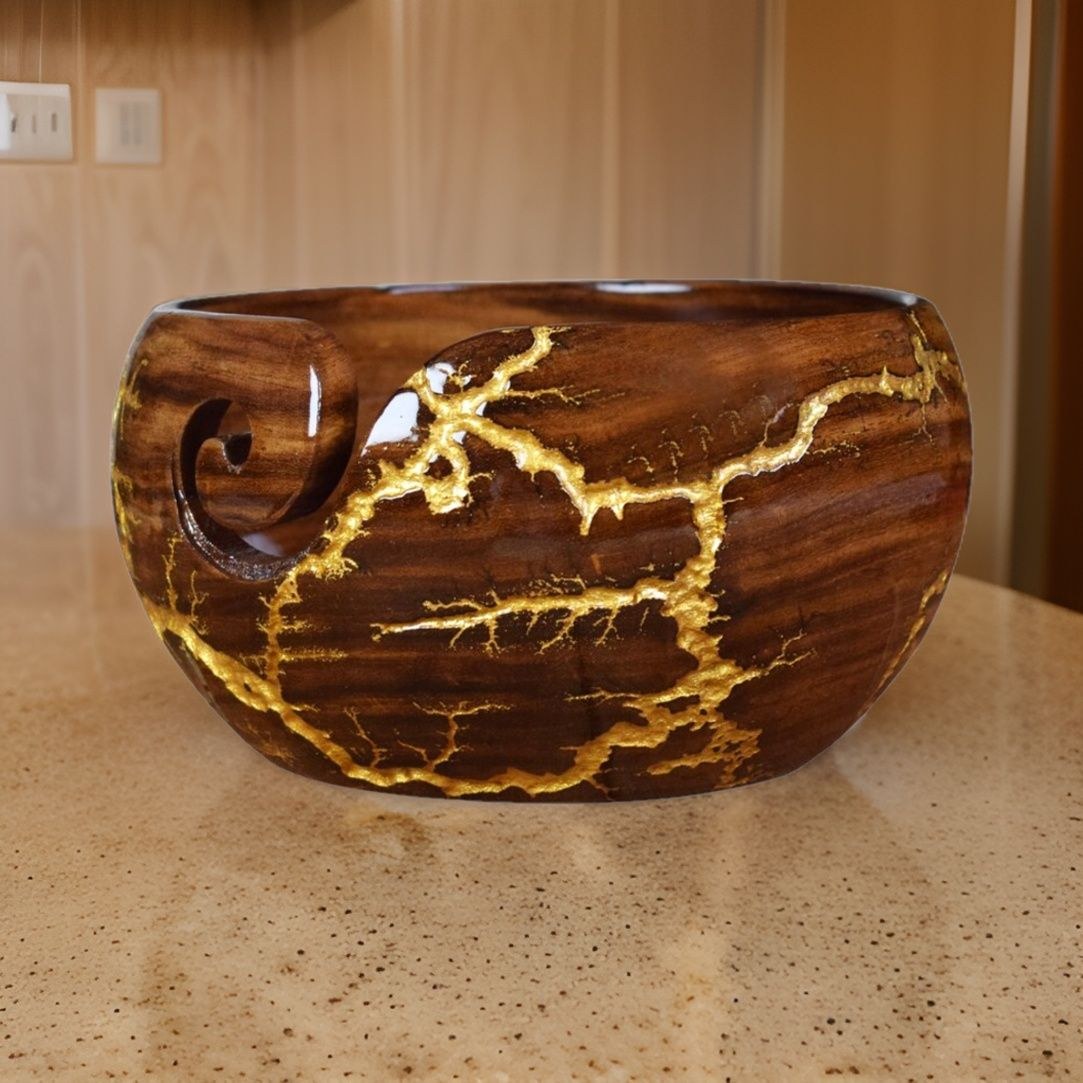
A birthday gift and an anniversary keepsake may start with the same wooden box, but they should not reach the customer with the same story. For buyers evaluating unique wooden gift ideas ahead of year-end gifting and the next buying cycle, that distinction matters more than adding another decorative motif.
The market direction worth watching is occasion-led merchandising: presenting wooden products around relationships, interests and meaningful moments rather than material alone. Personalization, practical use and gift-ready presentation can make familiar formats feel distinctive. For importers, retailers and private-label brands, the commercial question is whether that distinction can be delivered consistently, at an acceptable landed cost, without creating an unmanageable assortment.
The market signal: a clearer reason to give
Wooden gifts occupy an interesting position between inexpensive novelty merchandise and high-ticket home accessories. Their grain, weight and tactile character can communicate permanence, but those qualities do not automatically explain why someone should buy one for a particular recipient.
Occasion-led retail addresses that gap. A small storage box becomes a birthday keepsake for a collector; a paired desk accessory becomes an anniversary gift; a carved nautical object becomes a retirement present for someone with a connection to the sea. The underlying manufacturing process may change little, while the merchandising proposition changes substantially.
This is a useful buying lens, not proof that every wooden gift category is expanding. Without comparable sell-through data, trade buyers should be cautious about broad claims of a wooden-gifting boom. What they can assess is whether a product offers a stronger purchase reason than “handmade” or “natural.”
Three questions help establish that reason:
- Who is the recipient? Identify an interest, relationship or life stage rather than an undefined gift shopper.
- What does the object do after the occasion? Storage, display or regular use supports a longer-lived proposition.
- What makes this version distinctive? Construction, finish, meaningful engraving or a well-chosen combination should carry the difference.
The implication for Indian woodcraft is significant: craftsmanship remains central, but buyers also need suppliers capable of turning a clear recipient brief into a repeatable product.
Unique wooden gift ideas that translate into assortments
The strongest starting point is a small number of adaptable product families, not a separate design for every celebration. Buyers can then differentiate them through dimensions, inserts, decoration and presentation.
For birthdays, lead with the recipient’s interests. A compartmented keepsake box can serve collectors or hobbyists; a yarn winder can suit an experienced fiber crafter; nautical decor can appeal to a sailing enthusiast. Functional products need functional testing. An attractive hobby tool that performs poorly will undermine the gift proposition quickly.
For anniversaries, prioritize shared meaning. Memory boxes, paired objects and display pieces can carry names, dates or a short message. Wood’s association with the fifth wedding anniversary provides one established merchandising route in markets where that tradition is familiar. Retailers should not assume the symbolism travels unchanged across countries.
For housewarmings, balance personality with compatibility. Trays, small organizers and understated decorative pieces can fit several interiors. Highly specific motifs narrow the audience, while excessive size increases both freight cost and the recipient’s commitment to displaying the item.
For retirements and milestone achievements, create space for a story. A presentation box or engraved desk object can hold a message without relying on a generic congratulatory slogan. Packaging should explain the object’s use and leave room for a personal note.
A review of wooden handicraft product ranges can help buyers identify adjacent manufacturing capabilities. Exporters in Nagina, in Bijnor district, Uttar Pradesh, such as Woodzire, illustrate how gift-relevant categories can sit alongside specialist craft tools and memorial products. Category breadth, however, is not evidence that every line suits the same retail customer.
For unique wooden gift ideas to become a coherent range, each SKU needs a distinct role. Adding another shape is not enough if it competes for exactly the same purchase occasion.
Personalization changes the inventory equation
Personalization is appealing because it can make a familiar object feel recipient-specific. Operationally, however, it introduces approval work, production dependencies and a narrower resale opportunity if something goes wrong.
The most important sourcing decision is where customization happens. Factory engraving can suit planned programs with predictable designs. Destination-market engraving may suit small individual orders and later purchasing decisions, although it requires equipment, trained operators and suitable stock.
A hybrid model uses standard finished blanks with a defined engraving area. This allows the buyer to pool inventory across several occasions instead of ordering separate birthday, wedding and retirement products. It works only if the finish and construction are compatible with the chosen marking process.
When discussing OEM and private-label wooden products, buyers should separate brand customization from recipient customization. A logo applied to every unit is a different production task from a different name on every unit.
For bulk wooden gifts, the purchase specification should settle:
- Minimum quantities for each shape, finish and artwork variation.
- Character limits, fonts, placement tolerances and proof approval.
- Responsibility for spelling errors and damaged personalized units.
- Whether replacement blanks can be supplied from the same production batch.
- The point after which order changes are no longer accepted.
Natural grain also affects engraving contrast. Approve a representative range of results, not just the most attractive sample. Otherwise, a variation that the factory considers normal can become a customer-service dispute.
Gift-ready packaging is part of the margin calculation
A wooden object can arrive intact and still fail as a gift. Scuffed presentation boxes, loose fittings, strong residual finish odors or missing care information can force retailers to rework inventory before sale.
That makes packaging a merchandising expense as well as a protective one. Buyers should distinguish the export carton, the protective inner pack and the presentation layer. Asking one decorative box to perform all three jobs can create avoidable damage or unnecessary cost.
Reviewing a supplier’s export packaging approach is a starting point, not a substitute for testing the actual packed SKU. A dense box with a lid, a projecting nautical ornament and a slender craft tool have different transport vulnerabilities.
The specification should cover movement inside the pack, protection of corners and surfaces, separation of components, and the conditions under which adhesive labels can contact the finish. Moisture management also deserves attention, particularly when goods travel between different climates. Desiccants cannot compensate for inadequately conditioned timber or unsuitable packaging.
Commercial comparisons should include more than the unit price:
- Freight effects from packed dimensions and weight.
- Inspection, repacking and personalization labor.
- Replacement stock and likely damage exposure.
- Presentation materials, care cards and required labeling.
For unique wooden gift ideas sold online, photograph the delivered configuration. Showing elaborate gift wrapping that is not included creates an expectation gap, especially when the purchaser sends the item directly to the recipient.
Memorial occasions require a separate buying approach
“Special occasions” should not become a catch-all for products connected with bereavement. Cremation urns, pet urns and memorial keepsakes may share materials and woodworking techniques with gifting lines, but their purchase context is different.
Buyers entering this category should use dedicated specifications and sensitive merchandising. Internal capacity, closure security, access for filling and clear dimensional information take priority over decorative novelty. Listings must distinguish a small keepsake vessel from an urn intended for a larger quantity of remains.
Search language such as “Wooden urns manufacturer India” can identify potential sourcing leads, but it is not a qualification standard. Buyers still need to establish product suitability, production controls and the expectations of their destination market. Our guide to cremation and pet urns provides a separate category starting point rather than treating these products as conventional celebration gifts.
Retail presentation matters equally. Avoid birthday-style promotional language, casual cross-selling or imagery that trivializes loss. Where personalization is offered, proofreading and replacement arrangements need particular care because an error may carry an emotional cost far beyond the merchandise value.
Build the next buying brief around evidence, not novelty
The practical response to occasion-led gifting is a controlled test. Select a few product families, assign each a recipient and price position, and track how customers respond to the object, presentation and personalization offer separately.
Start with a common base where possible. A standard box with interchangeable inserts or message cards can test several occasions without committing to several unrelated constructions. Keep differences visible enough to help the shopper, but limited enough to preserve purchasing efficiency.
Require suppliers to identify wood species accurately and document sourcing in line with applicable destination-market requirements. Mango, sheesham and teak are not interchangeable commercial descriptions. Nor does the use of wood, by itself, justify sustainability claims. Any environmental statement should have evidence appropriate to its wording.
The next buying brief should therefore connect design approval to the entire delivered product: object, customization, packaging and information. That is the difference between sourcing attractive samples and building an occasion-led retail program that can be repeated.
Key takeaways
- Build wooden gift ranges around recipients and occasions, not material alone.
- Use adaptable product families to limit inventory fragmentation.
- Decide where personalization happens before agreeing quantities and delivery promises.
- Evaluate landed, gift-ready cost rather than factory price alone.
- Treat memorial products as a specialist category with separate specifications and language.
- Validate demand through small assortment tests before expanding the range.
- unique wooden gift ideas
- Indian woodcraft
- bulk wooden gifts
- Wooden urns manufacturer India
- personalized wooden gifts
- occasion-led gifting
- private-label wooden products
- wooden anniversary gifts