
Business Opportunity · 1 November 2026
Wholesale Wooden Handicrafts: What to Know Before Ordering
A promising wooden product is not automatically a profitable wholesale purchase. This buyer-focused FAQ explains how to turn attractive samples into clear specifications, manageable inventory and enforceable order terms.
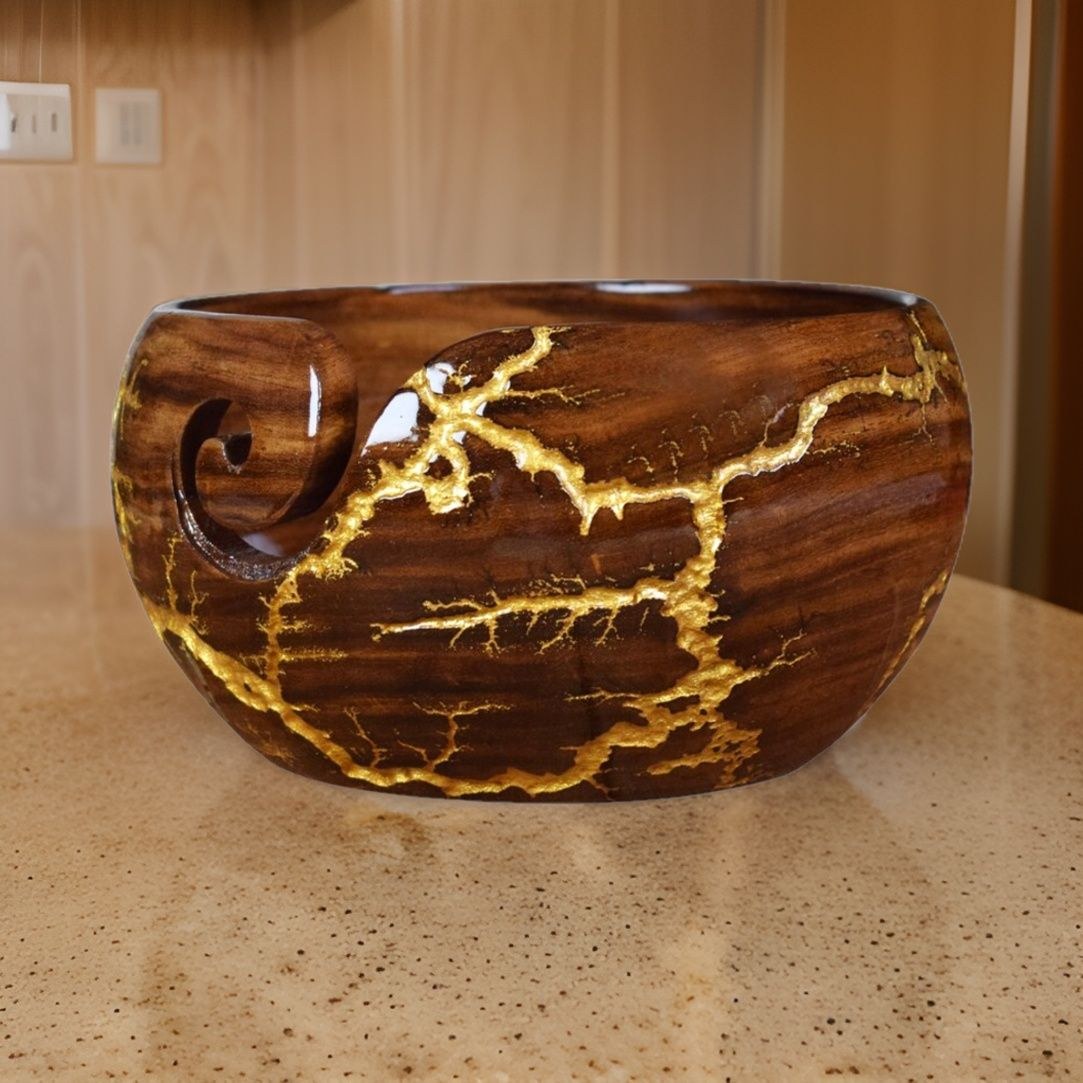
The most expensive mistake in buying wholesale wooden handicrafts often happens before production begins: the buyer and supplier agree on a product name but imagine different deliverables. A “carved wooden box” can mean different timber, dimensions, interior finishing, packaging and acceptable variation to each party.
For retailers, importers and brand owners, the opportunity is not simply to find attractive craftsmanship. It is to build an assortment that arrives in saleable condition, meets destination-market requirements and earns its shelf space after freight, inspection and returns. This Q&A focuses on the commercial decisions to settle before placing an order—not just what looks good in a catalogue.
1. What should retailers define before buying wholesale wooden handicrafts?
Start with the selling proposition, then write the buying specification. Decide who will buy the item, what they will use it for and what retail price your channel can realistically support. Those decisions determine which construction details matter.
A decorative bowl, for example, is not interchangeable with a food-contact bowl. A toy-shaped ornament should not be casually marketed as a children’s toy. A yarn winder needs functional testing, while a shelf ornament may depend more heavily on stability, surface finish and visual consistency.
For each proposed SKU, create a short purchase brief covering:
- Intended use, sales market and customer-facing claims.
- Target dimensions, weight range and critical tolerances.
- Wood species, construction method and any permitted substitutions.
- Finish, colour reference, hardware and branding placement.
- Retail packaging, labels, barcode requirements and carton quantities.
- Expected order size, replenishment needs and delivery window.
A supplier’s wooden handicraft product range can help identify possible categories, but a catalogue listing is not a purchase specification. Ask for a dated specification sheet linked to each quotation.
Should the first order cover many designs? Usually, breadth should follow evidence. A compact assortment can make inspection, merchandising and repeat ordering easier. Separate dependable core items from experimental designs, and avoid committing equal quantities to products with very different demand prospects.
2. How do buyers distinguish a capable supplier from a convincing catalogue?
Evaluate the operation behind the sample. Establish the supplier’s legal identity, production role and responsibility for subcontracted work. A trading business is not automatically a poor choice, and a factory is not automatically reliable. What matters is whether the contracting party controls specifications, traceability, quality checks and corrective action.
If your search starts with “wooden products manufacturer India,” narrow the shortlist by process and category rather than search visibility. Turning, carving, joinery and precision accessories require different capabilities. A workshop strong in decorative carving may not be equally equipped for smoothly operating yarn winders or closely fitted lids.
Our guide to handicraft manufacturers in India provides a starting point for understanding sourcing locations. In Nagina, in Bijnor district, Uttar Pradesh, makers such as Woodzire illustrate the town’s wooden-handicraft supply base; location alone, however, is not evidence that a supplier meets your order requirements.
Request practical evidence:
- A walkthrough showing the processes relevant to your products.
- An explanation of timber procurement, drying and storage.
- Records or examples of in-process and final inspections.
- Disclosure of outsourced finishing, engraving or packaging.
- A named person responsible for approving changes and resolving defects.
What if the supplier describes itself as a Sheesham wood handicrafts exporter? Ask for the scientific species name, source documentation and an explanation of applicable export and import requirements. Trade names are not enough to establish legality or determine whether species-specific controls apply. Verify requirements independently for the destination and shipment date.
3. What must a sample prove before it is approved?
A sample should validate the specification, not merely the photograph. Attractive grain can distract from poor lid fit, unstable bases, rough internal surfaces or a finish that transfers onto packaging. Assess the item as a customer would handle it, including opening, closing, lifting and cleaning where relevant.
Use a written sample assessment with three separate questions:
- Appearance: Does colour, carving and finish match the intended retail position?
- Function: Does the product perform its advertised purpose safely and consistently?
- Repeatability: Can the supplier reproduce the important features across a production batch?
For handmade wooden gifts, distinguish acceptable individuality from defects. Grain and modest tonal differences may be desirable. Splinters, rocking bases, loose fittings, cracks and unreadable personalization are not features to excuse as “handmade.” Approve a range of acceptable appearances where one sample cannot represent natural variation.
Function-specific categories need additional checks. When reviewing wooden cremation and pet urns, buyers should confirm usable internal capacity, closure design and access dimensions rather than infer suitability from exterior measurements. The same principle applies elsewhere: a storage box’s outer size does not establish its usable compartment space.
Should the approved sample become the quality standard? Yes, alongside the written specification. Keep a signed or otherwise clearly identified reference sample, photographs and an approval record. Require written consent for changes to timber, finish, fittings or construction.
Ask how moisture is measured and controlled for the product and destination. There is no single moisture-content target suitable for every species, construction and market. The supplier should explain its target and measurement method, not simply promise “seasoned wood.”
4. How should buyers compare prices, minimums and landed cost?
Compare an equivalent deliverable, not a headline unit price. Quotations for wholesale wooden handicrafts can differ because one includes individual boxes, inspection preparation and export cartons while another covers only unpacked goods at the workshop.
Ask each bidder to quote against the same specification, currency, quantity and named Incoterms® rule and place. Clarify which party handles export clearance, freight, insurance and destination charges. Incoterms allocate specified costs and risks; they do not replace payment, quality or ownership clauses.
Build a cost worksheet that includes:
- Goods, customization, tooling and sample charges.
- Retail packaging, labels and export packing.
- Inspection, testing and documentation costs.
- Freight, insurance, brokerage and applicable duties.
- Destination handling, warehousing and delivery.
- Expected defects, replacements and inventory holding costs.
Treat recoverable import taxes separately when assessing margin, while still accounting for their cash-flow impact.
How should an MOQ be negotiated? First establish whether the minimum applies per order, design, size, finish or personalization variant. A low overall minimum can conceal impractical minimums for each SKU. Ask whether shared timber, finishes or packaging can support a smaller trial assortment without weakening quality.
Is the lowest quote necessarily a warning sign? No—but unexplained differences deserve questions. A simpler construction or efficient repeat design can legitimately cost less. Undisclosed species substitutions, thin packaging or omitted finishing steps create a different commercial proposition, not a bargain.
Calculate margin using expected saleable units, not merely the quantity ordered. Also test whether the order remains viable if freight rises or sell-through is slower than planned.
5. What packaging, compliance and inspection terms belong in the order?
Treat packaging as part of the product specification. Wood can arrive scratched, damp or cracked even when it passed a workshop check. Request the packed dimensions and weight, internal protection, carton strength specification and packing arrangement before confirming freight assumptions.
A supplier’s export-packaging approach is a useful discussion starting point, but ask for evidence relevant to your route and handling conditions. Fragile projections, lids and polished surfaces need protection tailored to their failure risks.
Clarify whether solid-wood pallets or other wood packaging must meet ISPM 15 requirements; these rules concern regulated wood packaging, not a blanket certification of every finished wooden product.
Who owns compliance? Responsibilities vary by market and supply arrangement. Before ordering, establish applicable timber-legality, product-safety, chemical, labelling and traceability obligations. Food-contact articles and children’s products require different assessment from decorative goods. Avoid unsupported claims such as “food safe,” “non-toxic” or “sustainably sourced.”
Agree on inspection timing, sampling method and defect definitions. Require checks on finished, packed goods before shipment release, with a written process for failures. Inspection reduces risk; it does not guarantee that every unit is defect-free.
6. What payment and reorder terms protect the business opportunity?
Connect payment milestones to verifiable progress. Record the deposit, balance trigger, inspection arrangements and shipment documents in the purchase agreement. A buyer should understand what leverage remains if the goods fail inspection or production runs late.
Specify remedies for shortages, defects, unauthorized substitutions and missed commitments. Include claim deadlines, required evidence and whether resolution means rework, replacements, credits or refunds. Independently verify unexpected bank-detail changes through an established channel.
For repeat purchases of wholesale wooden handicrafts, retain specification versions and inspection findings. Track sell-through, returns and customer complaints by SKU. Reorder the products that perform commercially—not simply those that attracted the most attention at sample stage.
Key takeaways
- Define intended use, destination market and critical specifications before seeking comparable quotes.
- Verify production capability and timber documentation rather than relying on catalogue breadth.
- Approve functional performance and acceptable variation, not appearance alone.
- Compare landed cost per saleable unit and clarify minimums by variant.
- Put packaging, inspection, payment milestones and defect remedies in writing.
- Use the first order to establish evidence for a disciplined replenishment programme.
- wholesale wooden handicrafts
- handmade wooden gifts
- wooden products manufacturer India
- Sheesham wood handicrafts exporter
- wooden handicraft sourcing
- handicraft landed costs
- wooden product quality inspection
- wholesale handicraft buying