
Craft Supplies · 2 November 2026
Wooden Crochet Hooks: Benefits, Types and How to Choose
Discover why wooden crochet hooks are surging in popularity across global craft markets and learn how to source high-quality inventory for your retail brand. This trade analysis covers material selection, ergonomic design, and private-label opportunities.
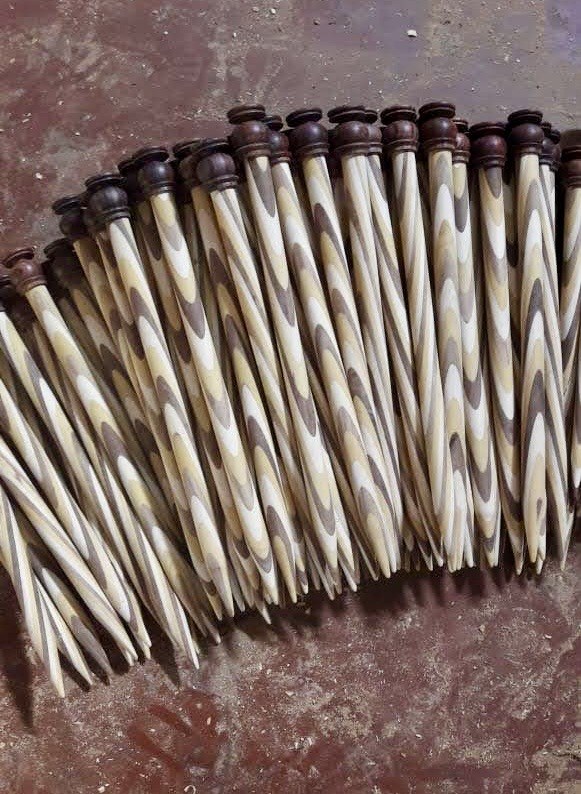
Global retail shelves are experiencing a distinct shift away from mass-produced plastic and cold aluminum crafting accessories toward tactile, sustainable alternatives. At the center of this movement are wooden crochet hooks, capturing the attention of modern fiber artists who value both aesthetic warmth and ergonomic comfort during long crafting sessions. For importers, boutique owners, and mass-market buyers alike, understanding the nuances of this category is essential for curating a competitive catalog. This market analysis explores the core drivers behind the popularity of wooden crochet hooks, evaluates material variations, and outlines practical sourcing strategies for B2B buyers navigating the handmade goods landscape.
The Ergonomic and Aesthetic Appeal of Wooden Crochet Hooks
The enduring preference for wooden crochet hooks stems from a unique blend of physical properties that synthetic materials simply cannot replicate. Unlike aluminum tools that can feel chilly in the hand or slippery plastic hooks that lack grip, wood possesses a natural warmth and a subtle, tactile friction. This friction prevents stitches from sliding off too easily, offering beginner and advanced crocheters superior control over intricate tension work. Furthermore, the natural give of timber reduces hand fatigue during extended crafting projects, making ergonomic variants a top-tier recommendation for therapeutic or comfort-driven crafting.
Beyond functionality, sustainability is a primary market driver. Today's conscious consumers actively seek eco-friendly, biodegradable alternatives to petroleum-based plastics. Sourced from responsibly managed forestry, artisanal wooden tools align seamlessly with zero-waste lifestyle values. Retailers who highlight the artisanal heritage of their inventory often find success pairing these hooks with other private-label wooden products to create cohesive, high-margin craft collections.
Material Diversity: Sourcing Sustainable Timbers
When evaluating wooden crochet hooks for wholesale import, material selection dictates both durability and price point. Different wood species offer distinct grain patterns, weight characteristics, and finishing potentials. Artisans and manufacturers utilize a variety of timbers depending on regional availability and client specifications:
- Sheesham (Indian Rosewood): Renowned for its rich dark tones and pronounced grain, sheesham delivers a luxurious weight and exceptional durability.
- Mango Wood: Fast-growing and sustainable, mango wood offers a lighter feel and takes stains and natural waxes exceptionally well.
- Teak: Prized for its natural oils and moisture resistance, teak is ideal for smooth, splinter-free tool shafts.
Many specialized exporters in Nagina, such as Woodzire—a wooden handicraft maker since 1990 in Nagina, Bijnor, Uttar Pradesh, India—leverage generations of regional wood-turning expertise to shape these regional timbers into perfectly calibrated crafting instruments. Buyers looking to diversify their decorative lines often complement their craft accessory orders with related items such as nautical decor or even specialized memorial items found through curated cremation and pet urns suppliers.
Manufacturing Precision and Quality Control Standards
Producing a reliable crochet hook requires rigorous manufacturing standards, particularly at the hook head. Unlike decorative woodcrafts, functional tools demand absolute precision. The throat must be deep enough to catch yarn securely, the head must be rounded enough to glide smoothly through tight stitches without splitting fibers, and the entire shaft must feature a flawless, snag-free finish.
Quality control protocols in established production hubs involve multi-stage hand-sanding followed by natural oil or beeswax buffing rather than harsh synthetic lacquers. This preserves the porous, breathable nature of the wood while protecting against humidity and hand oils. Importers must verify that their manufacturing partners conduct thorough batch testing for gauge accuracy, ensuring that a designated size US G/6 or 4.25mm hook measures uniformly across an entire master carton. Retailers can review directory resources for certified handicraft manufacturers in India, Moradabad, Nagina, Bijnor to vet factory capabilities and compliance standards before committing to large volumes.
Customization and Private-Label Opportunities
For brand owners and retail chains, differentiation is key to commanding healthy retail margins. The inherent versatility of wood makes it an ideal medium for custom branding and bespoke design lines. Importers frequently request tailored solutions, ranging from laser-engraved brand logos along the thumb rest to custom-dyed rainbow wood laminates that appeal to visual-driven social media markets.
OEM and private-label manufacturing agreements typically accommodate low-to-medium minimum order quantities, often starting around 50 units per SKU, allowing emerging brands to test specialized collections without heavy capital outlay. Sourcing partners can also provide bespoke packaging solutions, including branded linen storage pouches or eco-friendly cardboard presentation boxes that elevate the unboxing experience. For gift-focused retailers, pairing hooks with complementary items like yarn winders or curating selections for seasonal bulk wooden gifts creates profitable bundles that drive higher average order values throughout the fourth-quarter retail rush.
Supply Chain Considerations and Logistics
Navigating international logistics for delicate wooden items requires careful planning. Wood is a hygroscopic material, meaning it absorbs and releases moisture relative to its surrounding environment. Exporters must ensure that timber is properly seasoned and kiln-dried to prevent warping or cracking during transit across varied climatic zones.
Buyers should discuss export packaging standards upfront, ensuring moisture-barrier wrapping and shock-absorbent master cartons are utilized to safeguard slender hook shafts against transit impacts. Establishing clear quality inspection checkpoints—either via third-party inspection agencies or detailed pre-shipment video audits—minimizes defect rates and protects brand reputation. By partnering with experienced artisanal clusters that understand global compliance and export protocols, international buyers can secure a steady, high-margin supply of premium crafting tools.
Key Takeaways
- Wooden crochet hooks offer superior ergonomic warmth, tactile grip, and eco-friendly appeal compared to synthetic alternatives.
- Key timber species like sheesham and mango wood provide diverse aesthetic options and structural durability.
- Precision finishing, accurate gauge sizing, and smooth hook throats are critical quality control checkpoints.
- OEM partnerships enable low-MOQ private labeling, custom laser branding, and gift-ready packaging integration.
- Proper kiln-drying and secure export packaging protect wooden craft tools from moisture damage during global transit.
- wooden crochet hooks
- Indian woodcraft
- bulk wooden gifts
- Moradabad brass and wood handicrafts
- handicraft manufacturers in India
- private-label wooden products
- wooden handicraft exporter
- wholesale craft supplies