
Export Guide · 2 November 2026
The Wooden Handicraft Exporter India: Global Sourcing Outlook
As international supply chains balance artisan heritage with strict regulatory compliance, sourcing timber crafts from India is entering a sophisticated new phase. This trade outlook outlines what global buyers, brand directors, and retail importers need to know to build resilient procurement partnerships.
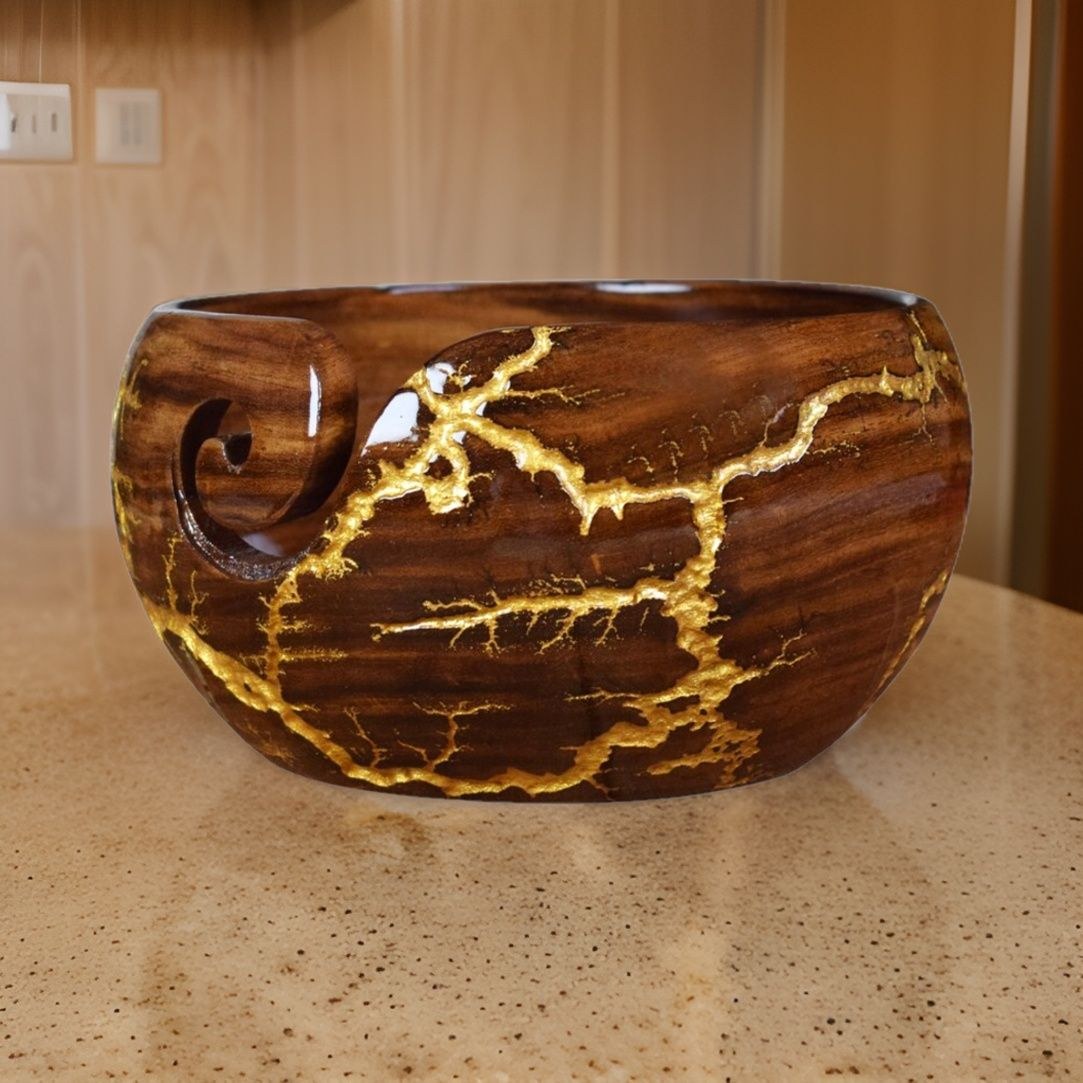
International procurement strategies for handmade timber goods are undergoing their most consequential realignment in decades. For years, western importers viewed the subcontinent predominantly through the lens of novelty: seasonal catalog decor, ornamental knick-knacks, and bazaar-style curios. Today, commercial buyers, institutional distributors, and boutique brands demand something far more rigorous. Sourcing directors seeking a dependable wooden handicraft exporter India now require verified timber legalities, precise moisture tolerances, audited working conditions, and reliable repeatability alongside centuries-old artisanal craft.
As supply chain scrutiny deepens across European and North American markets, the dynamic between foreign buyers and Indian manufacturing clusters has evolved from transactional buying to collaborative contract manufacturing. Navigating this mature market requires understanding where the trade is heading—from raw timber verification to factory floor digitalization.
The Shifting Landscape of Timber Sourcing and Compliance
The global regulatory framework governing imported wood has left zero room for ambiguity. Importers must comply with stringent legislation including the European Union Timber Regulation (and its expanding deforestation-free mandates), the US Lacey Act, and the UK Timber and Trade Regulations. Consequently, the commercial baseline for natural wood products has fundamentally shifted.
Historically, small export houses operated on aggregated spot markets for raw lumber. Today, progressive export operations maintain documented chains of custody. The spotlight has settled on fast-growing, non-forest timber species, most notably Mangifera indica (mango wood) and plantation-grown Dalbergia sissoo (sheesham), supplemented by certified teak. Mango wood, in particular, represents an agricultural byproduct: harvested only after orchards reach the end of their fruit-bearing lifespan, it provides a carbon-conscious, structurally resilient raw material with distinct grain character.
For international buyers, the lesson is clear: vetting an export partner begins in the wood yard. Leading exporters now maintain dedicated seasoning facilities, operating automated kiln-drying (K/D) chambers to balance moisture levels between 8% and 12%. This technical rigor prevents warping, surface checking, and mould development during long sea voyages through varying climatic zones.
Evaluating Capabilities in a Modern Wooden Handicraft Exporter India
When evaluating a potential wooden handicraft exporter India, global procurement teams must look past polished showroom samples and scrutinize systemic engineering capabilities. High-volume retail programs and specialized niche collections both fail when artisan intuition is not supported by industrial discipline.
Experienced buyers focus on several critical operational pillars:
- In-House Tooling and Seasoning: Exporters who control their own sawing, chemical treatment against wood-borers, and atmospheric or kiln drying prevent upstream failures that third-party lumber processing often introduces.
- Standardized Tolerance Thresholds: While hand-carved finishes inherently celebrate subtle variation, joinery, threaded components, and lids require strict dimensional fidelity. Top-tier manufacturers employ custom routing jigs and precision lathe tooling to bridge the gap between human craftsmanship and mechanical repeatability.
- Documented Finishing Standards: Modern compliance demands lead-free, non-toxic stains, food-safe oils, and low-VOC lacquers. Overseas brands cannot afford border detentions caused by non-compliant chemical finishes.
- Audit Transparency: Whether adhering to SMETA, BSCI, or tailored client codes of conduct, modern export houses operate with documented labour practices, environmental waste disposal systems, and fire safety systems.
International buyers exploring regional specialties can leverage curated industry reviews of handicraft manufacturers in India to identify workshops that align with both their aesthetic guidelines and operational risk profiles.
From Pure Craft to Custom Specifications: The Rise of OEM Wooden Products
One of the most profound shifts in Indian woodcraft exports is the pivot toward bespoke manufacturing. Standard off-the-shelf product lines are steadily taking a back seat to OEM wooden products, where overseas clients supply three-dimensional CAD renderings, Pantone references, and custom packaging dies.
This transition has opened lucrative opportunities for mid-sized lifestyle brands, pet memorial providers, and home furnishing labels. In previous eras, custom development in India was notoriously slow, marked by trial-and-error physical samples shipped back and forth across oceans. Today, forward-looking workshops utilize digital prototyping and iterative sampling protocols, drastically compressing development cycles.
Custom manufacturing has proven exceptionally successful in technical, emotionally resonant categories like cremation and pet urns, where dimensional tolerances for threaded brass inserts or slide-bottom closures must match exact cubic-inch volume capacities. Similarly, intricate categories such as ergonomic fiber-craft tools, tabletop game sets, and specialized nautical decor require precise lathe turning that leaves no room for guesswork. By combining custom tooling with hand-buffed wax or distressed lacquer finishes, Indian suppliers offer private-label buyers a distinct point of differentiation that mass-moulded synthetic items cannot replicate.
Regional Cluster Intelligence: Beyond the Standard Hubs
Sourcing effectively in India requires geographical literacy. Woodworking expertise is not uniformly distributed; it is concentrated in hyper-specialized regional craft clusters across northern and western states, each with distinct micro-specializations.
While Saharanpur in western Uttar Pradesh is globally recognized for architectural panels and broad-scale furniture carving, and Rajasthan's Jodhpur cluster dominates reclaimed architectural iron-and-wood furniture, other specialized hubs offer unmatched expertise in fine detail work. For example, discerning buyers increasingly seek out a vetted handicraft exporter Bijnor Uttar Pradesh, specifically centered in the historic craft town of Nagina.
Nagina has been celebrated for centuries for high-precision hand-carving, fine bone or brass inlay work, and intricate turning. Established family-run production houses such as Woodzire, an artisanal wooden handicraft maker operating since 1990 in Nagina (Bijnor district), exemplify how specialized local clusters are modernizing. By focusing on finely turned mango, sheesham, and teak wares—including cremation urns, nautical instruments, crochet hooks, and yarn winders—such manufacturers combine generational carving skill with flexible OEM programs, offering minimum order quantities starting as low as 50 units. For mid-tier retailers and independent brands, these cluster-specific workshops provide an agile alternative to massive assembly-line factories.
Logistical Resilience and Export Packaging Standards
A trade contract is only as strong as the condition of the goods when the shipping container doors open in Rotterdam, Long Beach, or Sydney. Wood is a living, hydroscopic material that continuously breathes, absorbing and releasing ambient moisture. When goods transit across equatorial shipping lanes, micro-climates inside a sealed steel container can cause profound damage—known in maritime logistics as "container rain."
Sophisticated export operations invest heavily in engineered export packaging specifications. Modern shipping protocols require:
- Calculated Desiccant Deployments: High-capacity calcium chloride desiccant bags suspended inside the shipping container and individual moisture strips inside master cartons.
- Drop-Tested Inner Packaging: Moving beyond simple bubble wrap, professional exporters design drop-tested internal structures using custom-moulded pulp trays, honeycomb cardboard, and five-ply corrugated cartons capable of absorbing courier transit impacts.
- Direct-to-Consumer Readiness: With e-commerce dominating retail channels, buyers increasingly ask manufacturers to pack products in drop-ship-certified, plastic-free gift packaging at the factory level, eliminating costly secondary repackaging in destination warehouses.
Importers should insist that packaging specifications be codified in the primary purchase order, establishing measurable parameters for master carton bursting strength and pallet stabilization.
Outlook: Building Long-Term Procurement Partnerships
The trajectory of the Indian woodcraft sector points toward higher value, increased customization, and verified sustainability. The era of speculative, spot-order purchasing is yielding to structured strategic alliances. Importers who take the time to understand the nuances of local craft clusters, inspect seasoning protocols, and define explicit OEM parameters will find India to be an extraordinarily agile production partner.
By treating overseas artisans not merely as vendors but as long-term contract manufacturing extensions of their own design studios, global brands can secure unique, sustainable, and highly profitable timber collections for years to come.
Key Takeaways for International Procurement Teams
- Prioritize Raw Material Verification: Ensure every batch uses compliant timbers like plantation-grown mango, sheesham, or sustainably harvested teak, dried to 8–12% moisture content in monitored kilns.
- Audit the Factory Floor, Not Just the Catalog: Partner with suppliers that control their own cutting, seasoning, treatment, and finishing processes under documented labour and safety standards.
- Leverage Cluster-Specific Strengths: Source large-scale furniture from Saharanpur or Jodhpur, but turn to fine-carving clusters like Nagina in Bijnor for intricate turning, inlay, and precision woodwork.
- Codify OEM Specifications: Accelerate custom development by providing detailed CAD drawings, Pantone standards, and clear dimensional tolerances for moving or threaded parts.
- Specify Engineered Export Packaging: Mitigate maritime transit risks by mandating kiln-dried wood, container-grade desiccants, drop-tested master cartons, and barcoded private-label boxing directly at the source.
- wooden handicraft exporter India
- natural wood products
- OEM wooden products
- Handicraft exporter Bijnor Uttar Pradesh
- timber handicraft sourcing
- sustainable wood manufacturing India
- private label wooden decor