
Craft Supplies · 3 November 2026
Wooden Knitting Needles vs Metal: A B2B Retailer Guide
Evaluating wooden knitting needles vs metal reveals distinct tactile and performance benefits for retail customers. This B2B guide analyzes material trends and sourcing considerations.
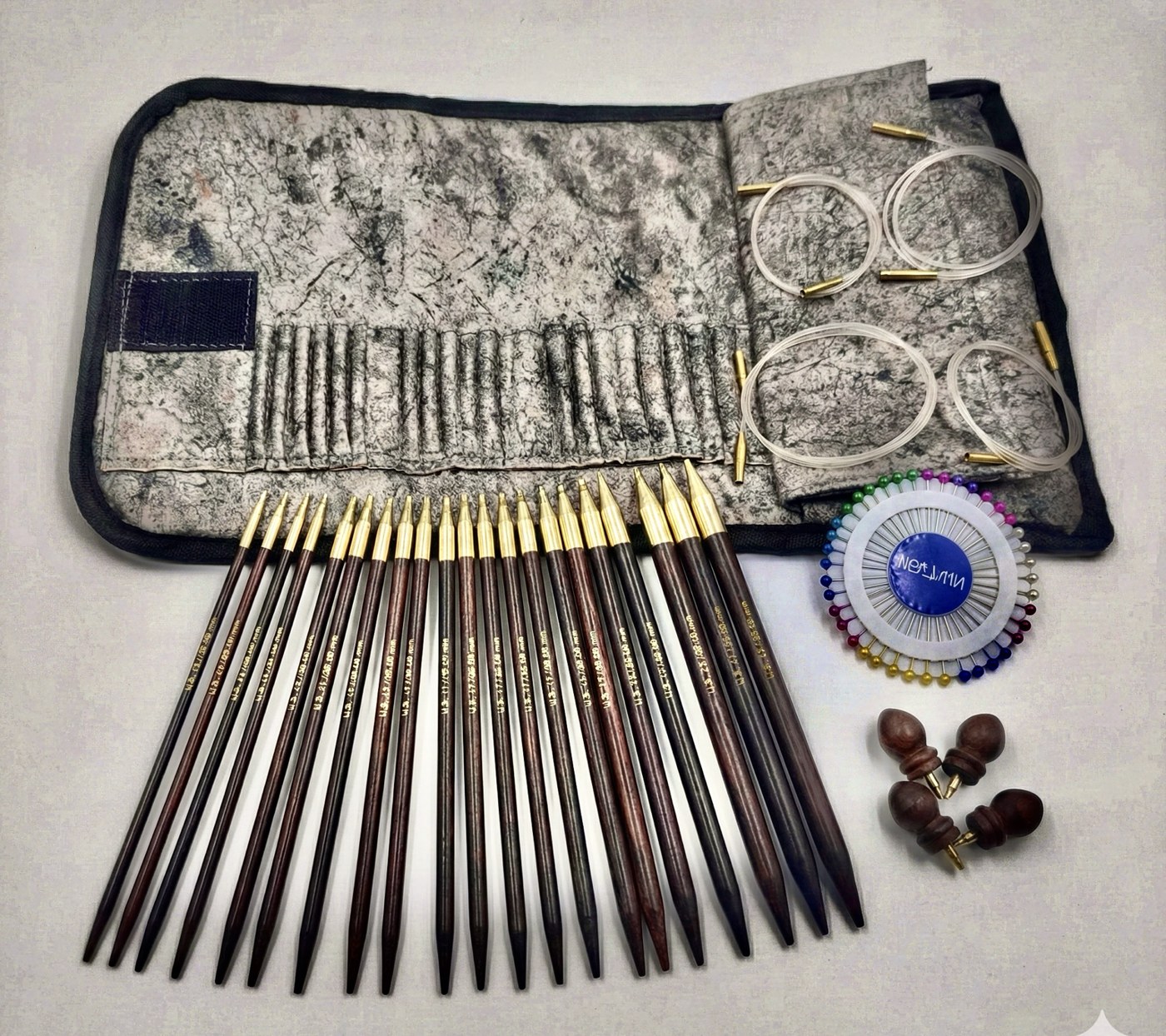
When global yarn shops and specialty craft retailers curate their notions inventory, the debate of wooden knitting needles vs metal remains a central purchasing decision. End users—ranging from beginner stitchers to heirloom garment makers—hold strong preferences regarding grip, flexibility, and weight. For B2B importers, brand owners, and retail buyers, understanding the structural differences between these two materials is essential for meeting consumer demand and optimizing SKU assortment.
Craft supplies trade data reflects a steady, growing appreciation for natural, tactile materials in fiber arts. While metal needles offer speed and durability, wooden variants appeal to crafters seeking warmth, ergonomic comfort, and quiet stitching sessions. To help procurement teams navigate this category, here are six key factors to consider when evaluating wooden knitting needles vs metal for wholesale import.
1. Surface Friction and Stitch Control
The most noticeable difference between wooden and metal needles is how yarn glides across the shaft. Metal needles, typically crafted from aluminum or nickel-plated brass, provide a slick, ultra-smooth surface. Fast-knitting crafters often favor metal because stitches slide effortlessly from tip to tip, increasing working speed.
Conversely, wooden knitting needles offer a subtle grip. Even the most highly polished hardwoods, such as sheesham or beech, retain a microscopic texture that catches slick yarns like silk, bamboo blends, and superwash wool. This prevents dropped stitches, making wood an ideal recommendation for beginners and intermediate makers working with slippery fibers.
2. Ergonomics, Temperature, and Joint Comfort
Material thermodynamics significantly impact the user experience during long crafting sessions. Metal conducts temperature rapidly, meaning metal needles often feel cold to the touch initially and can aggravate hand fatigue for crafters with arthritis or circulation sensitivities.
Wood, on the other hand, is a natural insulator. It warms quickly to body temperature in the user's hands, providing a comfortable, organic feel. Retailers looking to cater to the growing wellness-focused crafting demographic often highlight this ergonomic advantage when merchandising handcrafted wooden products alongside complementary accessories.
3. Weight and Hand Fatigue
Needle weight influences physical comfort during marathon knitting projects. Hollow metal circular needles are exceptionally lightweight, but traditional double-pointed metal needles and large-gauge straight metal options can feel heavy and cause hand strain over time.
Wooden needles are inherently lightweight across all formats, reducing wrist strain during extended projects. However, wood has lower tensile strength than steel or aluminum. In very small diameters (below 2.5mm), wooden needles can be prone to snapping if handled roughly, whereas metal needles maintain structural integrity in miniature gauges.
4. Acoustic Profile and Crafting Environment
An often-overlooked consumer preference is the sound a needle makes during use. Metal needles produce a distinct clacking or clicking sound as they strike against one another. While some knitters find this rhythm satisfying, others find it disruptive, particularly in quiet public spaces, travel settings, or late-night crafting sessions.
Wooden needles offer a soft, muted acoustic profile. The natural dampening properties of wood absorb the impact shock, resulting in a quiet, peaceful crafting experience that appeals to knitters who prioritize mindfulness and low-sensory environments.
5. Sourcing Origins and Craft Supply Ecosystems
Sourcing high-quality knitting tools requires partnering with established manufacturing regions that possess deep woodworking heritage. While mass-produced metal needles typically originate from automated industrial factories in East Asia, artisan-grade wooden needles are frequently sourced from specialized woodcraft clusters. For instance, woodcraft exporter India networks—particularly in heritage hubs like Nagina in the Bijnor district of Uttar Pradesh—combine generational carpentry skills with modern lathe precision to produce fine knitting tools, crochet hooks, and yarn winders.
Working with traditional artisans allows private-label brands to offer customized wood finishes, laser-engraved sizing, and sustainable timber sourcing. Established regional makers, including multigenerational wooden handicraft workshops in Nagina such as Woodzire, often provide flexible OEM solutions with accessible minimum order quantities for growing brands.
6. Retail Merchandising and Cross-Selling Opportunities
From a visual merchandising perspective, wooden knitting needles offer superior display appeal. The rich grain patterns of mango wood, teak, or sheesham create an earthy, artisanal aesthetic that enhances brick-and-mortar retail shelves and digital lookbooks alike.
Retailers can build cohesive collections by bundling wooden needles with other sustainably produced fiber art accessories. To expand your catalog strategically, it is valuable to research established handicraft manufacturers in India, Moradabad, Nagina, Bijnor to source matching yarn bowls, stitch markers, and display racks. Offering a unified, eco-friendly accessory line attracts conscious consumers who value natural materials over synthetic plastics and mass-market metals.
Key Takeaways for Importers
- Understand the audience: Metal suits fast knitters working with sturdy yarns; wood aids beginners and those using slippery, delicate fibers.
- Balance the gauge range: Stock metal for ultra-fine precision gauges and wood for medium-to-large gauges where ergonomics and warmth shine.
- Leverage artisanal origins: Sourcing from specialized craft regions adds unique marketing value through natural grain variations and sustainable timber narratives.
- Diversify the product ecosystem: Pair knitting needles with complementary wooden yarn management tools to create high-margin retail bundles.
- wooden knitting needles vs metal
- woodcraft exporter India
- handcrafted wooden products
- Handicraft manufacturer Moradabad
- wooden knitting needles wholesale
- retail craft supplies sourcing
- private label knitting tools